Cross State Road A1A at Washington Oaks and you’ll find two entirely different Florida coasts within a five-minute walk of each other. On one side, manicured rose gardens shelter beneath a 200-to-300-year-old live oak, planted around a former GE chairman’s winter retreat. On the other, the Atlantic Ocean has stripped away the sand to expose coquina, a rare rock formation that gives this stretch of coastline one of the most unusual beaches in the entire state. It’s a small park, just over 400 acres, but the contrast between its two halves is what makes it worth the stop.
Here’s what to know about the coquina beach, the gardens, and current park details before a 2026 visit.
Washington Oaks Gardens State Park Overview
| Detail | Information |
| Location | Palm Coast, FL, on State Road A1A, south of Marineland |
| Park size | About 410–425 acres |
| Park hours | 8 a.m. until sundown, daily |
| Entrance fee | $5 per vehicle |
| Historic ownership | Owen and Louise Young, who purchased the land in 1936 |
| Donated to Florida | 1965, by Louise Young |
| Notable tree | Washington Oak, estimated 200–300 years old |
| Formal garden size | About 20 acres |
| Swimming advisory | Not advised — strong undertow and large coquina rocks |
| Pet policy | Leashed dogs permitted |
| Recurring events | First Friday Garden and History Walks; Second Saturday Plant Sales; monthly Music in the Gardens (starting July 2026) |
The Two Sides of the Park: Gardens and Coquina Coast
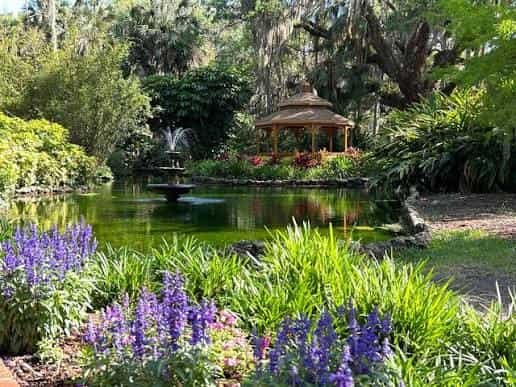
Understanding Washington Oaks means understanding its split geography. The formal gardens sit tucked within a shaded oak hammock on the western side, near the Matanzas River, featuring native and exotic plantings, azaleas, camellias, and bird of paradise among them, arranged around winding reflection ponds. This is the legacy of Louise and Owen Young, who built their winter home here in 1938 and maintained the rose garden and grounds personally until donating most of the property to the state in 1965.
Cross to the Atlantic side, and the landscape transforms entirely. Wave action here has stripped away sand to expose coquina, a sedimentary rock made of compacted shell fragments, creating a boulder-strewn beach unlike almost anywhere else on Florida’s coast. At low tide, tidal pools form among the rocks, drawing shorebirds to feed and rest, and offering visitors a genuinely different kind of beachcombing than a standard sandy shoreline.
Why You Shouldn’t Plan to Swim Here
This is worth knowing before you pack beach gear expecting a typical Florida swim day. Swimming at Washington Oaks isn’t advisable due to a combination of strong undertow and the large coquina rocks lining the shore, a genuinely different hazard profile than a sandy beach with a simple rip current warning. If a swim is central to your beach plans, this isn’t the right stop, but if beachcombing, tidal pool exploration, and photography are what you’re after, the coquina shoreline delivers something most other state parks can’t match.
The Gardens: What to See and When
The formal gardens reach their peak bloom in March, making early spring the strongest window if seeing the roses, azaleas, and camellias at their most vibrant matters to your trip. Even outside peak bloom, the shaded oak hammock and winding reflection ponds offer a genuinely peaceful walk regardless of season, sheltered from the Florida sun in a way the exposed coquina beach across the road isn’t.
The Washington Oak itself, estimated at 200 to 300 years old, stands as one of the sturdiest and most striking trees in the park, a living link back to well before the Youngs ever purchased the property. If you’re visiting specifically for photography or a quiet nature walk rather than beach access, plan to spend the bulk of your visit on this side.
Trails, Biking, and What Else Fills a Visit
Beyond the gardens and coquina shoreline, Washington Oaks offers two short hiking trails, one beginning at the Bella Vista trailhead near the park entrance and another exploring habitat along the Intracoastal side of the property. Neither is long or strenuous, making them well suited to a casual walk rather than a serious hiking commitment. Cyclists are welcome to ride Old A1A directly through the park, a scenic option for anyone touring the broader Palm Coast area by bike.
If you’re hiking any of the trails, particularly in warmer months, take precautions against mosquitoes and ticks, since the shaded hammock and marsh-adjacent terrain create favorable conditions for both.
Parking: Know Which Lot You Need
The park’s entrance road leads to several distinct parking areas depending on what you’re visiting, and picking the wrong one adds unnecessary walking. The first lot serves the Bella Vista trailhead, the next serves the gardens themselves, and the road continues north to a larger picnic grove parking area. Coquina Beach sits across from the main entrance on the ocean side, and you’ll need to display your day pass or state park pass visibly in your vehicle window when parking there, separate from the garden-side parking.
If your visit includes both the gardens and the beach, plan for a bit of driving or walking between the two distinct parking zones rather than assuming one central lot covers the entire park.
Events Worth Planning Around
Washington Oaks hosts a genuinely active calendar of recurring community events. First Friday Garden and History Walks offer a guided, roughly one-hour tour starting from the garden parking area, covering the property’s natural and cultural history. Second Saturday Plant Sales draw regular visitors interested in native and garden plantings. Starting July 3, 2026, and running through March 5, 2027, the park adds Music in the Gardens on the first Friday of each month, featuring live music from 1 to 4 p.m., a new addition worth checking if you’re planning a visit around that specific schedule.
Beyond these recurring events, the park also hosts an annual Earth Day celebration, a Holiday in the Gardens event, and periodic saltwater fishing clinics for anglers interested in fishing from the beach or the seawall along the Matanzas River.
Frequently Asked Questions
Q1. Can I swim at the beach here, or is it just for exploring the rocks?
Swimming isn’t advised due to strong undertow combined with the large coquina rocks along the shoreline. The beach is best suited for beachcombing, tidal pool exploration at low tide, and photography rather than swimming.
Q2. When are the gardens at their most colorful?
March typically offers peak bloom for the formal gardens, with azaleas, camellias, and roses at their most vibrant. The shaded hammock setting still makes for a pleasant walk outside that window, just with less dramatic color.
Q3. Do I need to park in a specific lot for the beach versus the gardens?
Yes. Coquina Beach parking sits across from the main entrance on the ocean side, separate from the garden parking areas along the entrance road. Display your day pass or state park pass in your vehicle window regardless of which lot you use.
Q4. Can I bring my dog to walk through the gardens and beach?
Yes, leashed dogs are permitted throughout the park, including the garden trails and the coquina beach area, making it a workable stop for pet owners touring the broader St. Augustine and Palm Coast region.