Mastodon, mammoth, and giant ground sloth bones once littered this stretch of Boone County, Kentucky, drawn here by salt and sulfur springs that attracted Ice Age megafauna for thousands of years. Big Bone Lick State Historic Site earned its title as the “Birthplace of American Vertebrate Paleontology” after William Clark conducted North America’s first organized fossil excavation here in 1807, and Thomas Jefferson himself personally examined specimens pulled from this ground.
If you’re planning a 2026 visit, there’s a facility closure worth knowing about before you go, along with the usual details on camping and the park’s own resident bison herd.
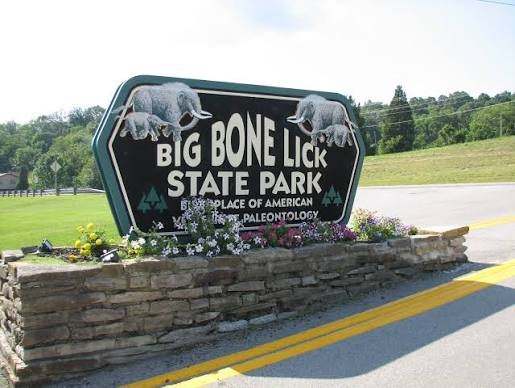
Big Bone Lick State Historic Site at a Glance
| Detail | Information |
| Location | 3380 Beaver Road, Union, KY 41091 |
| Distance from Covington | 22 miles southwest |
| Park Size | 525 acres |
| Camping Season | Through November 15, 2026 (seasonal, roughly April–October/November) |
| Total Campsites | 62, paved back-in with electric/water hookups |
| Camping Fee Range | $25–$100/night |
| Max RV Length | 36–47 feet depending on site |
| Reservation Requirement | 1-day advance notice; 2-night minimum Fri/Sat |
| Trail Mileage | ~4 miles across 5 trails |
| Fishing Lake | 7.5 acres |
| 2026 Alert | Swimming pool closed indefinitely |
The Swimming Pool Is Closed Indefinitely
This is worth knowing before you plan a summer trip built around cooling off in the park’s pool. The pool at Big Bone Lick is currently closed indefinitely. If a swimming pool was part of your expected amenities, particularly for a family trip during Kentucky’s hot summer months, you’ll need to adjust expectations or plan alternative cooling-off activities like the park’s fishing lake instead, though that’s designated for fishing rather than swimming.
Choosing Your Campsite
The campground offers 62 paved back-in sites with 30-amp electric and water hookups, spread across two main loops plus a smaller back section. Maximum RV length varies by specific site, ranging from 36 to 47 feet, so confirm your particular site accommodates your rig before booking rather than assuming any site will work for a larger vehicle.
Camping fees range broadly from $25 to $100 per night depending on site type and season. Reservations require just one day of advance notice through Kentucky State Parks, though weekends carry a 2-night minimum stay requirement for Friday and Saturday bookings. Kentucky campgrounds cap occupancy at 8 people per site, with 4 adults and children 16 and under included in the base rate; additional adults beyond that count incur a $5 per night surcharge each.
Notably, most sites here lack significant natural shade, an issue several campers have flagged as a real consideration during hot summer days. If shade matters to your comfort, research specific site conditions before booking, since the open terrain across much of the campground doesn’t offer much natural cover.
Facilities and Amenities
The campground includes a central service building with flush restrooms, showers, and laundry facilities, along with a dump station near the entrance. An on-site camp store provides basic supplies, and a playground gives kids a place to burn energy beyond the trails and fishing lake. Each site includes a fire ring or grill and a picnic table.
Watch Out for Raccoons
This is a genuinely practical tip worth knowing before your trip. Raccoons frequent the campground and have become notably accustomed to campers, occasionally approaching campsites directly. One camper described a raccoon joining their campfire uninvited before making off with their chocolate. Vigilant food storage is essential here, keeping food sealed and out of reach overnight rather than leaving anything accessible at your site.
Weather Considerations for Off-Season Visits
If you’re planning a trip during the shoulder season when freezing temperatures become possible, know that Kentucky State Parks cannot guarantee water availability or other resources at their campgrounds during these colder months. Contacting the park directly before traveling during any period conducive to freezing weather will give you the most accurate picture of what’s actually operational at the time of your visit.
The Park’s Namesake History
Big Bone Lick’s paleontological significance runs deep. Fossilized remains of the American Mastodon, Columbian Mammoth, and Giant Ground Sloths were first discovered here in 1739, and William Clark, of Lewis and Clark fame, conducted what’s considered the first organized excavation in North America here in 1807. Notable historical figures including Thomas Jefferson and Benjamin Franklin personally examined fossils recovered from this site, many of which are now displayed at museums including Monticello and the Academy of Natural Sciences in Philadelphia, alongside the collection housed right at the park itself.
Exploring the Museum and Trails
The park’s museum and interpretive center provide context for the fossil discoveries and the broader geological story of how salt and sulfur springs created what amounted to a natural preservation chamber for Ice Age megafauna. The disabled-accessible Discovery Trail forms part of the park’s Outdoor Museum experience, while the paved Big Bone Creek Trail winds through the original swampland, now overgrown with brush and wildflowers, past the last remaining salt-sulphur spring on the property. Altogether, the park’s five trails cover a little over four miles, including the moderate 2-mile Coralberry Trail and shorter walks specifically leading to views of the resident bison herd.
Seeing the Bison Herd
One of Big Bone Lick’s most distinctive draws is its small, living bison herd, maintained as part of the park’s effort to reestablish the American bison and pay homage to the megafauna that once roamed this exact ground. The Bison Trace trail specifically brings visitors into view of the herd, giving guests a genuinely tangible connection to the prehistoric history the park is built around.
Fishing and Other Recreation
The park’s 7.5-acre lake supports bank fishing for largemouth bass, bluegill, and catfish. Beyond fishing and hiking, the park offers tennis, volleyball, basketball, softball, and horseshoes, with recreation staff conducting organized activities from Memorial Day through Labor Day. The annual Salt Festival remains one of the area’s most popular seasonal events, drawing visitors specifically for that celebration alongside the park’s usual offerings.
FAQs
Q1. Since the pool is closed, what should I plan for cooling off during a summer visit?
The park’s 7.5-acre lake is designated for bank fishing rather than swimming, so you won’t have a swimming alternative directly on-site. Plan around this closure by considering shade breaks, air-conditioned rest stops during hot afternoons, or checking whether nearby facilities outside the park offer swimming access if that’s important to your trip.
Q2. How much advance notice do I actually need to book a campsite?
Reservations require just one day of advance notice through Kentucky State Parks, though if you’re booking for a Friday or Saturday specifically, you’ll need to commit to a 2-night minimum stay rather than a single weekend night.
Q3. Should I bring my own shade structure given the campground’s open terrain?
It’s worth considering. Several regular campers note that most sites lack significant natural shade, which can make hot summer days genuinely uncomfortable. A portable canopy or awning for your site is a reasonable addition to your packing list if you’re visiting during peak summer heat.
Q4. What’s the best way to protect my food from the campground’s raccoons?
Store all food in sealed containers inside your vehicle or RV overnight rather than leaving it accessible at your picnic table or in coolers outside. The local raccoon population is notably accustomed to campers and has been known to approach sites directly, so vigilant storage practices genuinely matter here.