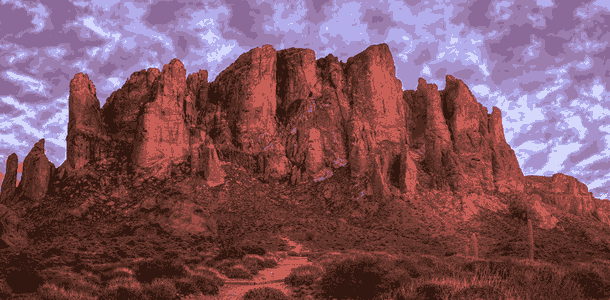
More than a century ago, a prospector named Jacob Waltz emerged from the Superstition Mountains with a satchel full of gold, and the legend of his hidden mine has drawn treasure hunters, some of whom mysteriously vanished in the search, ever since. Today, Lost Dutchman State Park sits at the western gateway to those same mountains, 40 miles east of Phoenix, offering hiking, camping, and the kind of wide-open desert sky that makes the legend feel plausible even now. But before you plan a trip in 2026, know that current fire restrictions and a genuinely unusual walk-in entry ban are in effect, and they’ll shape how you can access the park.
Here’s what to know about these current restrictions, camping, and the park’s signature trails before your visit.
Lost Dutchman State Park Overview
| Detail | Information |
| Location | 40 miles east of Phoenix, at the base of the Superstition Mountains |
| Fire restrictions | In effect through October 31, 2026, at 10 p.m. — no wood, charcoal, or propane fires |
| Walk-in entry | Not permitted — safety restriction currently in effect |
| Campsites | 135 total (68 with electric, 20/30/50 amp) |
| Cabins | 5 solar-powered cabins, $99/night, sleep up to 6 |
| Cabin reservation window | Up to 365 days in advance |
| Campsite reservation fee | $3.60 non-refundable per site |
| Signature trails | Treasure Loop (2.4 mi), Siphon Draw to the Flatiron (4 mi), Jacob’s Crosscut |
| Mountain biking | About 4 miles of singletrack |
| Best visiting seasons | Spring (wildflowers) and fall (mild temperatures) |
Two Current Restrictions Worth Knowing Before You Go
Two active rules genuinely change how you can access and use the park right now, and both are worth understanding before you plan your trip. First, fire restrictions remain in effect through October 31, 2026, at 10 p.m., prohibiting wood, charcoal, and even propane campfires entirely. Gas or propane stoves remain permitted specifically for cooking meals, so you can still prepare food, just not gather around an open flame the way you might picture a typical desert camping trip. Smoking is similarly prohibited throughout the park and on all trails, permitted only inside an enclosed vehicle or camper.
Second, and more unusual: walk-in entry and hiker drop-off or pick-up are currently not permitted, cited as a safety concern. This means you can’t simply have someone drop you at the gate to start a hike, or walk in on foot from outside the park boundary. Every visitor needs to enter through standard vehicle access, a genuine departure from how many state parks operate and worth factoring into your transportation planning if you were counting on a drop-off arrangement.
Camping: Booking Sites and What’s Included
Lost Dutchman offers 135 campsites, split between 68 electric sites (with 20, 30, or 50-amp service and water) and the remainder as non-hookup sites on paved roads suited to tents or RVs. Reservations are made online or through the Arizona State Parks Reservation Desk, carrying a modest $3.60 non-refundable reservation fee per site. Given the campground’s popularity and its proximity to Phoenix, sites do sell out, and experienced repeat visitors often recommend booking as much as a year in advance for peak-season dates.
One practical note: the dump station is not currently open to the public, so RV campers relying on this facility should plan alternate arrangements or confirm current status before counting on it during your stay.
Cabins: The Glamping Option
For visitors wanting climate-controlled comfort rather than a tent, Lost Dutchman’s five solar-powered cabins sleep up to six people each, featuring two covered porches with Superstition Mountain views and proximity to a washhouse. Cabins run $99 a night with a $5 reservation fee and a refundable $50 cleaning deposit, charged at booking and returned if the cabin is left in good condition. Reservations can be made up to 365 days in advance, and given how popular these units are relative to their limited number, booking as early as that window allows is a smart move for anyone set on a cabin stay rather than a tent.
A few cabin-specific rules are worth knowing: holidays require a three-night minimum stay, maximum length of stay caps at 14 consecutive nights per household, and a maximum of two vehicles are permitted per cabin, each requiring a displayed permit. Check-in runs at 3 p.m. with checkout at 10 a.m.
Hiking: From Easy Strolls to the Flatiron Challenge
The park’s trail network ranges from genuinely easy to seriously demanding. The Native Plant Trail offers a gentle stroll suited to casual visitors and families, while the Treasure Loop Trail runs 2.4 miles round trip with a moderate rating and about 50 feet of elevation change, connecting to Prospector’s View Trail along the way. For experienced hikers seeking a real challenge, the Siphon Draw Trail climbs roughly 4 miles round trip into a scenic canyon before reaching the iconic Flatiron formation, a rock outcropping that resembles a ship’s bow jutting from the mountainside.
Jacob’s Crosscut Trail extends further, connecting park trails to routes running 4.5 miles along the base of the Superstitions into Tonto National Forest territory. Regardless of which trail you choose, come prepared: the trails here are genuinely steep and challenging in sections, proper footwear matters, and summer hikers specifically should carry a gallon of water per person, per day, given the intensity of Sonoran Desert heat.
Wildlife: What You’ll Likely Encounter
Lost Dutchman’s desert setting supports a genuinely active wildlife population, including coyotes (whose nighttime yipping is practically a signature park sound), javelina, jackrabbits, and a range of lizards and birds. Rattlesnakes are present, particularly during warmer months, so staying alert on trails and watching where you step matters more here than at a typical forested park. If you’re bringing a dog, leashed pets are welcome on the trails, but be mindful that summer trail temperatures can genuinely be dangerous for dogs’ paws and overall heat tolerance, so plan hikes for cooler parts of the day if you’re bringing a pet along in warmer months.
Timing Your Visit: Spring Wildflowers vs. Fall Comfort
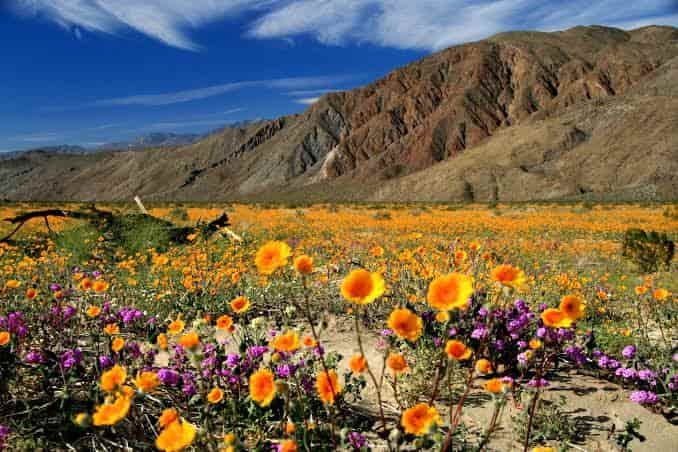
Depending on the year’s rainfall, spring can blanket the foothills around Lost Dutchman in desert wildflowers, making it a particularly rewarding season for photography and scenic hiking. Fall offers the most comfortable temperatures for extended hiking and camping without the intensity of summer heat. Given the Sonoran Desert setting, summer visits are still possible but demand serious preparation and ideally early-morning or evening hiking rather than midday exposure.
Frequently Asked Questions
Q1. Can someone drop me off at the park entrance to start a hike?
No. Walk-in entry and hiker drop-off/pick-up are currently not permitted due to safety concerns. All visitors need to enter through standard vehicle access rather than being dropped at the gate.
Q2. Can I have a campfire at my campsite right now?
No. Fire restrictions remain in effect through October 31, 2026, prohibiting wood, charcoal, and propane fires entirely. Gas or propane stoves remain allowed specifically for cooking, so you can still prepare meals, just without an open flame or traditional fire ring setup.
Q3. How far in advance should I book a cabin?
Cabin reservations open up to 365 days ahead, and given the limited number of units (just five) relative to demand, booking as early as that window allows is genuinely necessary for popular dates rather than optional.
Q4. Is the Siphon Draw Trail to the Flatiron suitable for beginner hikers?
No, this is considered a genuinely challenging route, roughly 4 miles round trip with significant elevation gain into rugged canyon terrain. Beginners or casual hikers should consider the easier Native Plant Trail or the moderate Treasure Loop Trail instead.