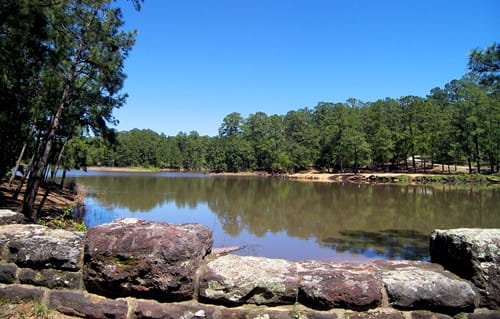
Scuba divers descending into Lake Jocassee’s remarkably clear water can swim past a submerged cemetery and the flooded remains of an old water-treatment facility, remnants of communities that existed before Duke Power flooded the valley in the early 1970s to create the lake. Devils Fork State Park is the only public access point to this 7,500-acre reservoir, tucked into the Jocassee Gorges on the eastern slope of the Southern Appalachians, where mountain streams keep the water cold enough for trout and clear enough that the lake has become a genuine draw for divers as much as anglers.
Here’s what to know before planning a 2026 visit: what it costs, the numbers behind the lake’s unusual depth and clarity, and how a mid-1970s hydroelectric project created one of South Carolina’s most distinctive state parks.

Devils Fork State Park Overview
| Category | Details |
| Location | Salem, Oconee County, South Carolina |
| Distance from Greenville | About 1 hour (36–52 miles) |
| Total park area | About 622–640 acres |
| Lake Jocassee size | About 7,500–9,000 acres |
| Adult admission | $8 |
| Seniors (65+) | $5 |
| Children ages 6–15 | $4 |
| Children 5 and under | Free |
| Free admission | Every Tuesday |
| Lake Jocassee max depth | Over 385 feet |
| Dam height/length | 385 feet high, 1,750 feet long |
| Main hiking trail | Oconee Bell Nature Trail, about 1 mile |
| Lake created | 1973, partnership between the state and Duke Power |
Where Devils Fork State Park Is Located
Devils Fork State Park sits in Salem, South Carolina, in Oconee County near the North Carolina border, roughly an hour’s drive from Greenville along SC-11. It sits at the southeastern edge of the Jocassee Gorges, an area known for rugged Appalachian terrain and a temperate rainforest climate that feels distinctly different from the flatter parts of the state most visitors associate with South Carolina.
The park serves as the sole public gateway to Lake Jocassee, since the surrounding land remains almost entirely undeveloped and privately managed by Duke Energy and the state’s Department of Natural Resources. That exclusivity is part of what makes the lake feel so undisturbed compared to other reservoirs in the region.
What It Costs to Visit in 2026
Admission runs $8 per adult, $5 for seniors 65 and older, and $4 for children ages 6 to 15, with kids 5 and under admitted free. Everyone gets in free every Tuesday, a genuinely useful detail for anyone with a flexible schedule looking to skip the entrance fee entirely. South Carolina State Park Passports, which cover admission across the broader state park system, are also accepted here, and the South Carolina State Library system lends out park passports that patrons can borrow from any branch, a free option worth checking before buying a pass outright.
Because the park has limited parking and enforces a capacity limit, a small number of reservable parking spaces guarantee entry on arrival, bookable online or by phone at least two days in advance. Purchasing admission online in advance does not guarantee entry if the park reaches capacity, so arriving early on busy weekends matters more here than at many other South Carolina parks.
Facts That Make Devils Fork Unique
Lake Jocassee reaches depths exceeding 385 feet in places, fed by four mountain streams and several waterfalls that keep the water noticeably colder than most Southern reservoirs, ideal conditions for a legitimate trout fishery alongside smallmouth bass, largemouth bass, crappie, and bluegill. The lake’s exceptional clarity, combined with its depth, has made it a genuine scuba diving destination, with divers exploring a submerged cemetery and the remains of a half-flooded water treatment facility that existed before the valley was flooded.
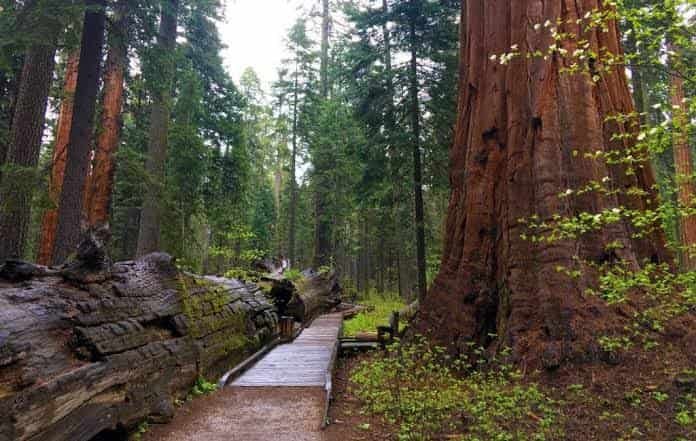
The Oconee Bell Nature Trail, the park’s primary hiking route at about one mile long, is named for a rare, endangered wildflower that blooms with white and yellow blossoms from mid-March through early April, drawing hikers specifically timed around that narrow bloom window each spring. Waterfalls throughout the surrounding gorges are accessible only by boat, making a lake tour or kayak trip the only way to see several of the area’s most scenic spots, and reviewers note the Oconee Bell Trail itself is more moderately challenging than its “easy” reputation suggests, with knotty, uneven terrain and short but steep elevation changes.
The History Behind Devils Fork State Park
Lake Jocassee was artificially created in 1973 through a partnership between South Carolina and Duke Power (now Duke Energy), part of a hydroelectric development that submerged existing valley communities and infrastructure beneath what’s now a 7,500 to 9,000-acre reservoir. The dam itself stands 385 feet high and 1,750 feet long, and interestingly, portions of the reservoir’s construction can reportedly be glimpsed in the background of certain scenes from the 1972 film Deliverance, filmed in the region around the same period the lake was being built.
Devils Fork State Park itself opened in cooperation with Duke Energy in 1991, formally establishing the only public access point to the lake under South Carolina’s Department of Parks, Recreation and Tourism, while Duke Energy and the state’s Department of Natural Resources continue jointly managing the broader reservoir. That arrangement has kept the land surrounding the lake almost entirely undeveloped in the decades since, preserving the remote, mountain-wilderness character that distinguishes Jocassee from more built-up lake destinations elsewhere in the state.
Frequently Asked Questions
Q1. Is there really a way to visit for free, or does the fee always apply?
Yes, admission is free every Tuesday, and if you or your library offers South Carolina State Park Passports, those can also be borrowed for free from library branches statewide and used for entry any day of the week.
Q2. Should I book a parking reservation in advance, or can I just show up?
Booking a reservable parking space at least two days ahead is strongly recommended, especially on weekends, since the park enforces a capacity limit and purchasing admission online does not guarantee entry if the lot fills up.
Q3. Is the Oconee Bell Nature Trail actually easy, or should I expect a real hike?
Expect a moderate hike rather than a casual stroll. Despite its short one-mile length, the trail includes knotty, uneven terrain and short steep sections, and visitors have reported needing rescue assistance during hot weather, so bring water and appropriate footwear.
Q4. Do I need my own boat to see the lake’s waterfalls, or is there another way?
You’ll need a boat, kayak, or a guided lake tour, since the waterfalls scattered throughout the Jocassee Gorges are accessible only by water. On-site kayak rentals and seasonal lake tour companies operate directly out of Devils Fork if you don’t have your own watercraft.