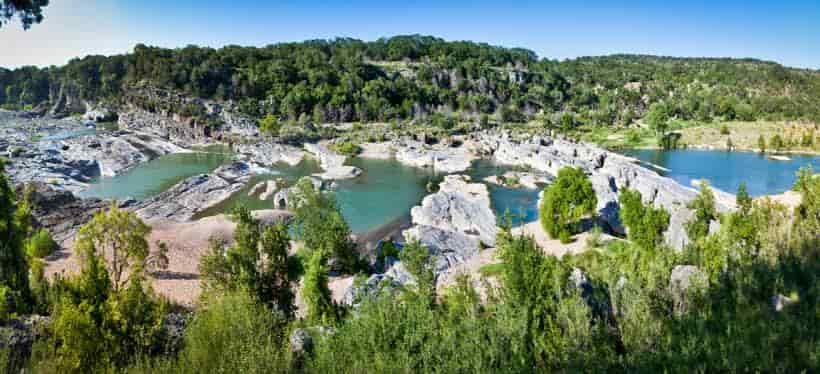
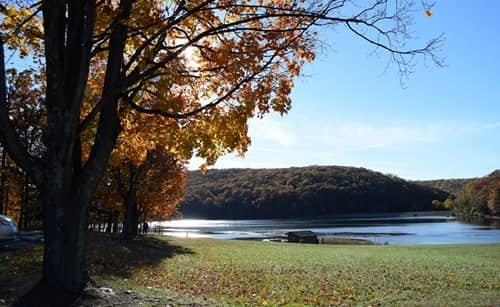
A steep, three-quarter-mile hike separates the parking lot from the campground here, and that deliberate inconvenience is precisely the point. Afton State Park keeps its blufftop campsites accessible only on foot, preserving one of the closest genuine backcountry camping experiences to the Minneapolis-St. Paul metro area. Rolling glacial moraine, oak savannas, and remnant prairie stretch across 1,600 acres overlooking the St. Croix River, and the park’s origin story involves a genuine race against developers who recognized the land’s value before conservationists could secure it.
If you’re planning a 2026 visit, here’s exactly what to know, from vehicle permit costs to why you shouldn’t attempt this hike without checking your fitness level first.

Afton State Park at a Glance
| Detail | Information |
| Location | 6959 Peller Ave S, Afton, MN (Washington County) |
| Park Size | 1,600 acres |
| Hours | Daily, 8 a.m.–10 p.m. |
| Vehicle Permit | $7 daily; $35 annual; $26 second vehicle; $12 handicapped |
| Backpack Campsites | 27, requiring ~0.75-mile uphill hike |
| Camping Fee Range | $15–$23/night (backpack sites); $55–$70 (cabins); $50–$65 (yurts) |
| Cabins/Yurts | 4 camper cabins, 2 yurts, 1 wall tent |
| Group Campsites | 2, up to 60 people each |
| Boat-in Sites | 3 |
| Hiking Trails | 20+ miles |
| Reservation System | Reserve Minnesota, all sites require advance booking |
The Vehicle Permit You’ll Need
Every vehicle entering Afton State Park requires a Minnesota state park vehicle permit, running $7 for a daily pass or $35 for an annual permit covering the full year across Minnesota’s entire state park system. A discounted $26 rate applies for a second vehicle, and a $12 handicapped permit rate is also available. Camping fees are charged entirely separately from this vehicle permit, so budget for both when planning your trip cost.
Understanding the Uphill Hike Before You Commit
This is genuinely the single most important thing to know before booking a backpack campsite at Afton. Reaching the campground requires carrying all your gear up a roughly three-quarter-mile trail that starts paved and transitions to gravel as it climbs through switchbacks toward the ridge-top campsites. Multiple visitors have described this climb as genuinely strenuous, with one reviewer noting you’ll “feel like you earned your dinner” by the time you reach the top, while another warned outright that campers should be in good physical shape before attempting it.
This isn’t a minor inconvenience to shrug off. If you or anyone in your group has mobility concerns, joint issues, or simply isn’t prepared for a sustained uphill climb while carrying camping gear, seriously reconsider whether Afton’s backpack camping is the right fit, since there’s no vehicle access to the campground at all, a deliberate design choice meant to deter overuse and preserve the site’s remote character.
Choosing Your Campsite
Afton offers 27 backpack campsites spread across genuinely varied terrain, from open prairie locations to heavily forested spots tucked among trees. Some sites overlook the St. Croix River valley, though summer foliage typically blocks most water views until leaves drop in autumn. Site spacing generally provides real privacy, with many campers reporting complete seclusion from neighboring sites. Every site includes a picnic table and a fire ring with grill grate, and some feature raised gravel tent pads.
Drinking water is available from a solar-powered pump centrally located within the camping area, and vault toilets serve the campground, though flush toilets are only available back at the Visitor Center near the parking area. Given that vault toilets and no showers are the norm here, plan accordingly for a genuinely rustic overnight experience despite the park’s proximity to the Twin Cities.
Camping fees run roughly $15 to $23 per night for backpack sites. For visitors who’d rather skip the hike and the roughing it, Afton also offers four camper cabins ($55-$70/night), two yurts ($50-$65/night), one wall tent, three boat-in campsites, and two group campsites accommodating up to 60 people each.
Booking Is Required, Not Optional
All campsites at Afton require advance reservations through Reserve Minnesota; there’s no walk-in or first-come camping option here. Given the park’s popularity and proximity to the metro area, booking ahead is essential rather than a nice-to-have, and phone reservations can also be made by calling 866-857-2757 if you’d rather not book online.
Campfire Rules Worth Knowing
Campfires are not allowed at Afton’s backcountry sites, meaning the hike-in and boat-in campsites specifically, even if a fire ring happens to be present at your site. Attended campfires are permitted in established fire rings at standard drive-in, cart-in, and walk-in state park campgrounds elsewhere in Minnesota’s system, but Afton’s backcountry designation means this specific restriction applies here. If a campfire is important to your camping experience, plan meals around a camp stove instead rather than assuming you’ll be able to build a fire once you reach your site.
Hiking Beyond the Campground
Afton offers more than 20 miles of hiking trails winding through remnant and restored prairies, deep ravines, and grassy ridgetops with sweeping views of the St. Croix River. The park’s terrain includes some genuinely significant elevation change, though the pathways themselves are well-maintained and non-technical, making the climbing more about stamina than technical hiking skill. Trails suit hikers, horseback riders, and cross-country skiers depending on the season, and a four-mile paved trail connects the park entrance directly to the visitor center for an easier introductory walk.
If steep stairs or hills aren’t your preference, ask rangers at the park entrance about bypass routes; several visitors have noted that staff can point you toward alternate paths, including a bypass avoiding roughly 100 stairs down toward the beach trail.
Swimming and the St. Croix River
Afton’s swimming beach on the St. Croix River draws significant summer crowds for swimming, boating, and fishing. Like the campground, there’s no vehicle access directly to the beach area, part of the same overuse-prevention design that keeps the park’s more sensitive areas reachable primarily on foot.
Birdwatching and Prairie Habitat
The park’s Prairie Walk interpretive trail showcases oak savannas and a wooded river valley, creating a genuinely interesting contrast of wildlife habitats that makes Afton a strong destination for birdwatching specifically. The visitor center offers a good starting point for orienting yourself to the park’s trails and understanding the varied ecosystems you’ll encounter along the way.
FAQs
Q1. Is the hike to the campground really as difficult as reviews suggest?
Yes, take the warnings seriously. Multiple regular visitors describe the roughly 0.75-mile climb as genuinely strenuous, particularly while carrying full camping gear. If you’re not confident in your fitness level or have any mobility concerns, this specific camping style may not be the right fit, given there’s no vehicle access alternative.
Q2. Can I have a campfire at my backcountry campsite even if there’s a fire ring there?
No, campfires are prohibited at all backcountry sites, including hike-in and boat-in campsites, regardless of whether a fire ring is physically present. Plan to use a camp stove for cooking instead of counting on building a fire once you arrive.
Q3. Do I need to book my campsite far in advance, or can I show up and hope for availability?
Book in advance through Reserve Minnesota; there’s no walk-in camping option at Afton at all. Given the park’s popularity and proximity to the Twin Cities metro area, securing your reservation ahead of time is essential rather than optional.
Q4. Is there an easier trail option if I want to avoid steep stairs to reach the beach?
Yes, ask rangers at the park entrance about bypass routes. Staff have been reported to direct visitors toward alternate paths that avoid the roughly 100 stairs leading down to the beach trail, making the walk considerably more manageable for those who prefer to skip steep steps.