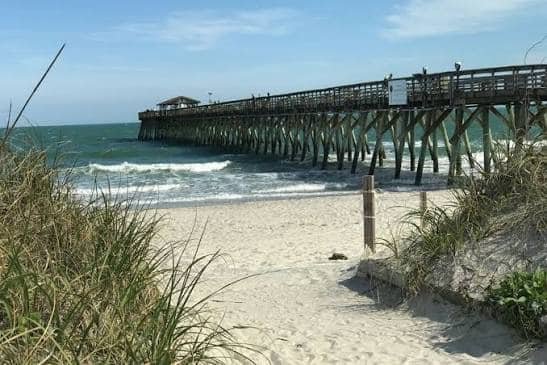
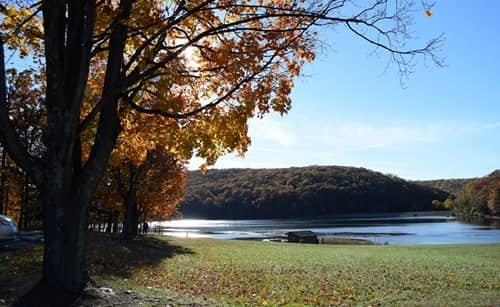
Wekiwa Springs was the test case. Long lines of cars used to back up into traffic here every summer, prompting Florida State Parks to launch a day-use reservation pilot in March 2025 — and it worked well enough that by 2026, the same system has expanded to three more parks statewide. If you’ve heard about Florida’s new reservation requirements at various springs, Wekiwa Springs is where it all started, and it remains one of the busiest of the four parks now running the program.
Here’s what to know about booking your visit, the swimming rules, and current park conditions for 2026.
Wekiwa Springs State Park Overview
| Detail | Information |
| Location | Apopka, FL, just minutes from downtown Orlando |
| Park capacity | 330 vehicles |
| Day-use reservation status | Required for all visitors since September 2, 2025 (originally a pilot program) |
| Reservation booking window | Up to 60 days in advance |
| Spring water temperature | 72°F year-round |
| Swimming area hours | 8 a.m. until 30 minutes before park closing |
| Swimming cost | Included in park entry fee; no separate charge |
| Lifeguards | None on duty; swim at your own risk |
| Current construction alert | Campground work as of June 26, 2026 (bathhouse unaffected) |
| Historic note | Spring discovered in the 1860s, originally called Clay Springs |
Why This Reservation System Exists, and How It Works
Wekiwa Springs regularly reached its full capacity during summer months, with cars backing up onto nearby roads while visitors waited for someone to leave before being let in. The reservation system solved that specific problem by moving the wait online: instead of sitting in a traffic line hoping for an opening, visitors now book entry in advance and know their spot is confirmed before they even leave home.
Reservations open 60 days ahead of your visit date through reserve.floridastateparks.org, and same-day bookings remain possible until that day’s capacity is reached. There’s no extra fee for making the reservation itself; you simply pay the standard park entry fee at checkout. Annual passholders aren’t exempt from this requirement, they still need to book a reservation and bring both their pass and their reservation confirmation to the gate.
What to Do If Your Preferred Date Is Fully Booked
Because Wekiwa Springs caps out at 330 vehicles and summer demand is intense, popular dates can fill within the 60-day window, especially weekends. If your first-choice date shows no availability, the park’s reservation system includes a “Notify Me!” feature that sends an email alert when new slots open up, typically as other visitors cancel. Checking back periodically or setting that notification is a more reliable strategy than repeatedly refreshing the booking page yourself.
Arriving early on your reserved date won’t get you in any sooner than your booked time, but it does help you avoid the secondary congestion that still builds up at the gate during peak summer hours, since the reservation confirms entry but doesn’t eliminate all wait time entirely.
Swimming at Wekiwa Springs: Rules Worth Knowing
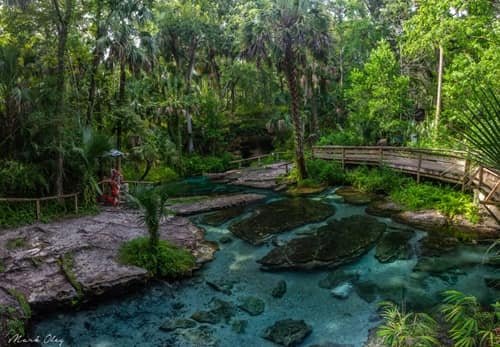
The spring itself stays a consistent 72°F year-round, making it a popular cooling-off spot regardless of season, and swimming is included in your standard park entry fee with no additional charge. That said, several safety rules are worth knowing before you jump in. Diving and jumping aren’t permitted anywhere in the spring due to its shallow depth, and there’s no lifeguard on duty, so swimming is entirely at your own risk. Scuba gear and other tank-assisted or tethered breathing systems aren’t allowed either.
Snorkeling is permitted directly in the spring itself but not in Wekiwa Springs Run, Rock Springs Run, or the Wekiva River beyond the swimming area. For visitors with mobility considerations, a swim lift is available at the water’s edge as an alternative to using the entry steps. One more detail worth noting for a picnic-focused visit: grills, pop-up tents, and canopies aren’t permitted on the spring lawn itself for safety reasons.
Current Construction: What’s Affected
As of June 26, 2026, some construction work is underway in the campground area at Wekiwa Springs. According to the park’s official notice, this shouldn’t affect key facilities like the bathhouse, and work is restricted to business hours only, meaning overnight noise and disruption should be minimal for campers. If you have a camping reservation during this period, it’s still worth a quick check of current park alerts closer to your stay date in case the scope of the work changes.
Frequently Asked Questions
Q1. Do campers need a day-use reservation too, or just day visitors?
No. Registered campers don’t need a separate day-use reservation; a confirmed camping reservation serves as your entry authorization for the dates of your stay, the same policy that applies across the other Florida parks using this system.
Q2. What’s the best strategy if I want a summer weekend slot and it’s already full?
Use the “Notify Me!” feature on the reservation page to get an email alert if a cancellation opens a slot. Booking as close to the 60-day advance window as it opens gives you the best odds of securing a summer weekend before it fills.
Q3. Can I go snorkeling in the Wekiva River near the park?
No. Snorkeling is only permitted within the main spring swimming area, not in Wekiwa Springs Run, Rock Springs Run, or the Wekiva River itself. Paddling is available on the river via canoe or kayak instead.
Q4. Is the campground construction going to disrupt an overnight stay?
Based on the current notice, work is limited to business hours and shouldn’t affect the bathhouse or other key camper facilities. Still, checking the park’s latest alerts shortly before your stay is a good habit given that construction scope can shift.