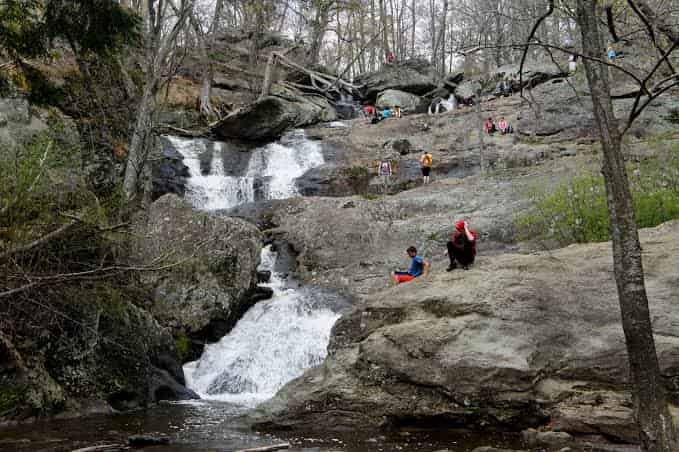
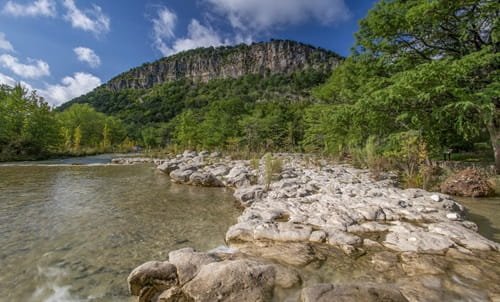
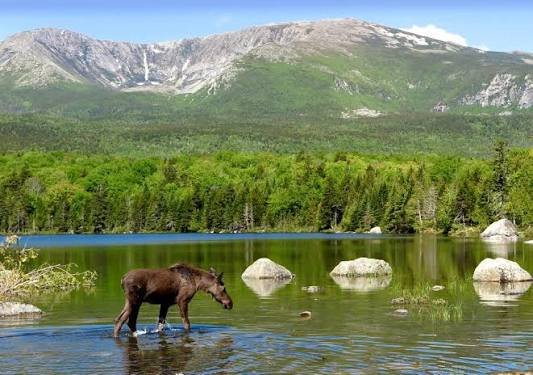
Some of the trees standing in this Pennsylvania forest have been growing since 1644, surviving a drought and fire nearly 400 years ago, making them among the oldest living things in the eastern United States. Cook Forest State Park, established in 1928 as Pennsylvania’s first state park created specifically to preserve a natural area, protects 8,500 acres including the Forest Cathedral, a National Natural Landmark containing more white pine trees exceeding 150 feet tall than anywhere else in the northeastern United States.
If you’re planning a 2026 visit, there’s an important campground project starting to unfold that’s worth understanding before you book, along with the usual details on hiking, swimming, and camping.

Cook Forest State Park at a Glance
| Detail | Information |
| Location | Cooksburg, PA (northwestern Pennsylvania) |
| Park Size | 8,500 acres |
| Day-Use Fee | None (completely free) |
| Hours | Daily, sunrise to sunset; day-use areas close at dusk |
| Signature Feature | Forest Cathedral (National Natural Landmark, designated 1966) |
| Oldest Trees | Nearly 400 years old (dating to 1644) |
| Clarion River Stretch | ~10–13 miles through the park |
| Camping Fee | Roughly $20–$75/night (avg. ~$32.50) |
| 2026 Alert | Campground shower house rehab begins 2027; reservations for that season open Aug. 15, 2026 |
| Reservation Window | Up to 11 months in advance |
Free to Enter, Every Single Day
Like all Pennsylvania State Parks, Cook Forest is completely free to enter and enjoy, with no day-use fees or parking fees of any kind. Camping and cabin rentals carry their own separate fees, but simply visiting the Forest Cathedral, hiking the trails, or swimming in the Clarion River costs nothing at all.
A Major Shower House Renovation Is Coming
This is genuinely important to know if you’re planning camping trips looking ahead into 2027, and it affects how you should approach booking in 2026. Starting in 2027, a major shower house upgrade project is planned for the campground, with DCNR replacing outdated shower and restroom facilities with new, modern, and accessible amenities. During this renovation, only a portion of the campground may remain open for camping during the 2027 season.
If you’re hoping to secure a spot for the 2027 camping season specifically, advance reservations for that period become available starting August 15, 2026. Given that facilities have been described by regular visitors as aging but functional, this upgrade is a genuinely positive long-term development, but it does mean planning further ahead than usual if your trip falls within or near the construction window.
The Forest Cathedral: Cook Forest’s Signature Attraction
The Forest Cathedral Natural Area stands as the park’s crown jewel, a primeval grove designated a National Natural Landmark in 1966. Walking among these towering white pines and eastern hemlocks, some rising past 150 feet with a cathedral-like canopy arching overhead, is described by many visitors as a genuinely spiritual experience, and this grove specifically holds more white pine trees of that height than any other location in the northeastern United States. The area was historically known as the “Black Forest” before the park’s establishment, referring to the dense, dark canopy these old-growth stands created.
Swimming in the Clarion River
Swimming is permitted in the Clarion River, which flows through the park along a scenic stretch running roughly 10 to 13 miles depending on how it’s measured. Importantly, there are no lifeguards on duty anywhere along this river, so swimming here is entirely at your own risk. The water tends to run clean and clear during summer months, but always check current conditions and exercise genuine caution in deeper sections regardless of how calm the surface looks. For visitors wanting a supervised alternative, the park also maintains a swimming pool with accessibility features.
Choosing Your Campsite
Cook Forest’s campground offers a genuine mix of tent sites, RV hookups, and cabin lodging, with fees generally ranging from about $20 to $75 per night depending on site type, averaging around $32.50 for many standard options. Reservations open up to 11 months in advance through the standard Pennsylvania State Parks system, and given the park’s popularity, particularly around the old-growth forest’s peak visiting seasons, booking ahead genuinely matters.
Site privacy varies noticeably throughout the campground. Some sites occupy open fields with less natural screening between neighbors, while back loops generally offer better seclusion than front sections closer to the main road. If privacy is a priority, researching specific loop locations before booking, rather than accepting whatever site the system assigns first, is worth the extra effort.
Hiking Nearly 30 Miles of Trails
Cook Forest offers approximately 29 miles of hiking trails winding through both old-growth forest and the surrounding rolling hills of northwestern Pennsylvania. These trails give visitors genuine variety, from short walks through the Forest Cathedral itself to longer routes exploring the broader park and its terrain carved by the Clarion River over millions of years.
Canoeing, Kayaking, and Tubing
Beyond swimming, the Clarion River is genuinely popular for canoeing, kayaking, and tubing, with the scenic stretch running through the park drawing paddlers throughout the warmer months. Clear Creek State Park sits just 11 miles away, and the two parks are connected along the river, giving visitors the option to extend a paddling trip between both locations if they’re staying in the area for multiple days.
Black Bears Are a Genuine Presence
This is worth taking seriously rather than as boilerplate caution. Black bears are native to this area, and all food should be put away after use and kept in a tight, secure container in the trunk of your car or inside your camper rather than left accessible at your campsite. Feeding wildlife is strictly prohibited, since animals that lose their fear of people can become genuine pests, and dangerous situations can result from that habituation. Treat food storage as a genuine priority throughout your stay rather than an afterthought.
Wildlife and What to Expect on the Trails
Beyond bears, deer and raccoons are common sightings throughout the park, and morning light filtering through the old-growth pines creates dramatic shifts in shadow and color across the forest floor throughout the day, a genuine draw for photographers visiting at different times.
FAQs
Q1. Will the campground be open normally during my 2026 visit, or is construction already underway?
The major shower house upgrade is planned to begin in 2027, not 2026, so standard camping should remain fully available throughout 2026 itself. If you’re planning ahead into 2027 specifically, reservations for that season open starting August 15, 2026, and only a portion of the campground may remain open during the actual construction period.
Q2. Is it safe to swim in the Clarion River without a lifeguard present?
Swimming is permitted, but genuinely at your own risk since there are no lifeguards anywhere along the river. Check current water conditions before swimming and exercise caution in deeper areas, particularly if you’re supervising children or aren’t a strong swimmer yourself.
Q3. What should I do with my food if I’m camping given the black bear population?
Store all food in a tight, secure container inside your vehicle’s trunk or your camper rather than leaving it accessible at your campsite at any point. Never feed wildlife, since animals that become accustomed to human food sources can turn into genuine safety hazards for other campers.
Q4. Which campground loops offer more privacy if that’s important to my stay?
Look into booking a site in the back loops rather than the front sections closer to the main road, since regular visitors consistently report better seclusion in those rear areas compared to more open, exposed field sites near the entrance.