Most state parks tell you to stay on the trail. Goblin Valley tells you the opposite: wander wherever you want through three square miles of bulbous sandstone hoodoos that look like they belong on another planet. That off-trail freedom, combined with some of the darkest night skies in the country, is exactly why this remote corner of the Utah desert has shown up in more than one science-fiction film. But between heat risk, primitive access roads, and a genuinely busy spring and fall season, a little planning goes a long way here.
Here’s what to know before making the drive out to Hanksville in 2026.

Goblin Valley State Park Overview
| Detail | Information |
| Location | About 216 miles southeast of Salt Lake City, near Hanksville, off State Highway 24 |
| Day-use fee | $20 per vehicle; $10 motorcycle/bicycle/pedestrian; $5 per person for commercial vehicles |
| Main campground fee | $45/night, includes vehicle entry (no electrical hookups) |
| Extra vehicle fee | $20/night |
| Yurts | $150+ tax per night; two available, pets allowed for $20/dog fee |
| Primitive “Behind the Butte” camping | $15/night, self-pay, first-come first-served |
| Dump/fill station (non-campers) | $15 fee |
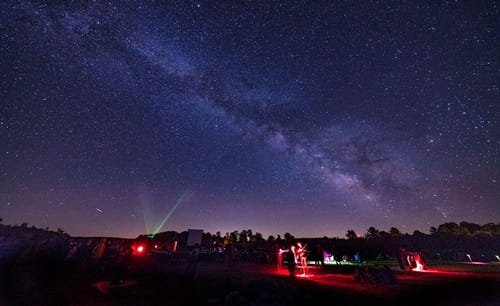
| Designation | Certified International Dark Sky Park |
| Formation age | Entrada sandstone, deposited 140–180 million years ago |
| Busy season | Spring and fall; weekend capacity waits are common |
The Main Draw: Wandering Off-Trail Through the Goblins
Unlike most parks where staying on marked paths is the rule, Goblin Valley’s central three-square-mile area is specifically designated for open, off-trail exploration on foot. Visitors can walk directly among the hoodoos, sandstone formations shaped by roughly 140 to 180 million years of erosion during the Jurassic period, without needing to stick to a defined route. It’s a rare setup, and it’s part of why the park has doubled as an alien landscape backdrop in productions like “Galaxy Quest,” alongside “Rubin and Ed” and “City Slickers II.”
Beyond the main valley, more than a dozen additional hiking trails range from one to four miles round trip, covering easy to moderate difficulty for visitors who want a more structured route through the surrounding terrain.
Heat, Flash Floods, and When Not to Hike
Summer here is genuinely dangerous if you’re unprepared. Temperatures regularly climb into the 90s and 100s, and the park’s own conditions updates specifically flag heat exhaustion and heat stroke as daily risks during hot months. If you’re visiting between May and September, hike early in the day, bring at least 32 ounces of water per person per hour, and pack salty snacks or electrolytes rather than relying on water alone.
Nearby canyons carry their own separate risk: standing water and flash flood danger, particularly after storms, so check the weather forecast daily and get updates from park staff before heading into any canyon terrain. Mountain bike trails should also be avoided when muddy, both for rider safety and to prevent trail damage.
Molly’s Castle and the Park’s Rougher Roads
For visitors with a high-clearance vehicle, Molly’s Castle offers a roughly 10-mile round trip via a genuine 4×4 road, about 4 miles out and back to the formation itself. This isn’t a route for a standard sedan; the roads throughout much of the park’s backcountry are primitive, and conditions can become impassable when wet. If your vehicle isn’t built for unpaved desert roads, stick to the main valley and developed trail network rather than attempting the 4×4 routes.
Choosing Between the Campground, Yurts, and Primitive Sites
Goblin Valley offers three distinct ways to stay overnight, and picking the right one depends on how much comfort you’re after. The main campground’s 24 sites (a mix of tent pads and RV spaces, no electrical hookups) run $45 a night, which includes your park entry fee and one vehicle. The two on-site yurts step things up considerably, running $150 plus tax and including heat, a swamp cooler, bunk beds, and an outdoor grill — a real upgrade if desert nights and tent camping aren’t your preference, and dogs are even welcome for a $20 per-pet fee.
For a more rustic and considerably cheaper option, the “Behind the Butte” primitive camping areas charge just $15 a night through self-pay stations, first-come, first-served, with a 14-night limit and a cap of four vehicles per site. These areas were added in 2022 and are still seeing management adjustments, so check current park postings for any changes to access or rules before you go.
Frequently Asked Questions
Q1. Can I really walk anywhere I want among the goblins, or are there restricted areas?
The main three-square-mile valley area is open for off-trail exploration, but designated hiking and biking trails elsewhere in the park should be followed as marked, and vehicles must stay on established roads throughout the park to protect the fragile desert ecosystem and its wildlife.
Q2. Do I need a high-clearance vehicle to visit Goblin Valley?
Not for the main valley and standard campground, which are accessible by regular passenger vehicle. Routes like Molly’s Castle require a 4×4 with genuine high clearance, so check your specific itinerary against vehicle requirements before planning a route that includes backcountry roads.
Q3. Is Goblin Valley worth visiting in summer despite the heat warnings?
Yes, with adjustments. Hiking early in the morning, carrying significantly more water than you’d expect to need, and avoiding midday exposure make a summer visit manageable, though spring and fall generally offer a more comfortable experience if your schedule allows the flexibility.
Q4. How far in advance should I book a campsite for spring or fall?
Individual campsites can be reserved on a four-month rolling window, and given how busy the park gets during peak spring and fall weekends, booking as early as that window allows is strongly recommended if you want a spot in the main campground rather than relying on primitive first-come, first-served sites.