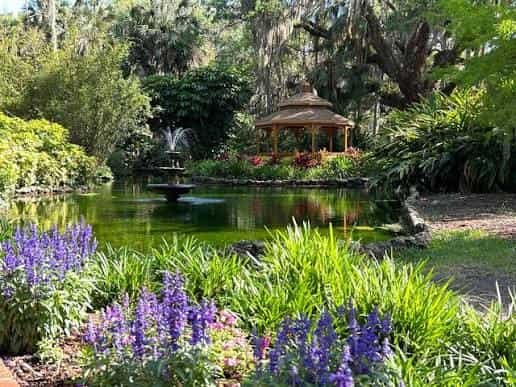
Roughly 37,000 acres of wetlands, prairie, and hammock forest sit an hour from both Tampa and Sarasota, and it’s one of the best places in Florida to see wild alligators — genuinely wild ones, sunning themselves along the riverbank rather than penned in for a show. But Myakka has also taken its share of hurricane damage in recent years, and some of its signature features, including the canopy walkway and boat tours, have periodically closed for repairs. Checking current status before you drive out matters here more than at most Florida parks.
Here’s what to expect for a 2026 visit, from the alligators to the ongoing recovery from storm damage.
Myakka River State Park Overview
| Detail | Information |
| Location | 13208 State Road 72, Sarasota, FL (about 9 miles east of Sarasota) |
| Park size | Roughly 37,000 acres (58 square miles) |
| Park hours | 8 a.m. to sundown, 365 days a year |
| Vehicle entrance fee | $6 |
| North entrance access | Weekends and state holidays only |
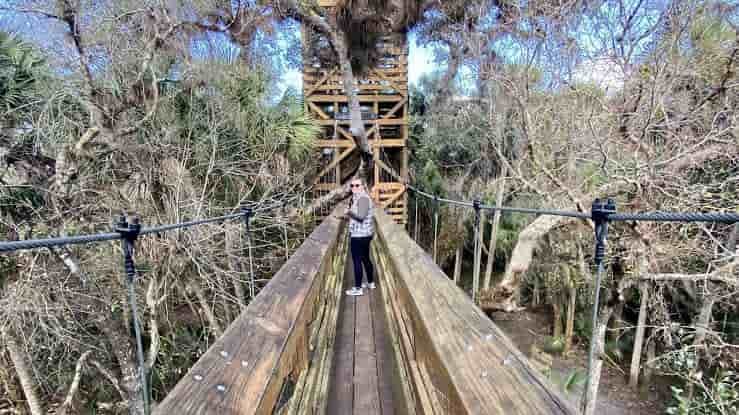
| Canopy Walkway | 25 feet above the forest floor, with a 74-foot observation tower |
| Airboat tours | Daily, aboard the “Myakka Maiden” or “Gator Gal” |
| Tram safari tours | Mid-December through May only |
| Deep Hole Trail permit | Limited to 30 visitors daily, first-come, first-served at the ranger station |
| Trail mileage | About 39 miles of hiking trails, plus a 14-mile bike loop |
| Historic designation | National Register of Historic Places (2011); Myakka River is one of two Wild and Scenic Rivers in Florida |
Why You Should Check Current Conditions Before You Go
This is the most important planning step for a 2026 Myakka trip. The park has weathered real hurricane damage in recent seasons, and repairs to features like the canopy walkway, café, boat tours, and bird-watching deck have periodically taken these amenities offline for extended stretches. Visitors who show up expecting the full slate of attractions have occasionally found several closed at once, with limited on-site notice beyond signage.
Calling the ranger station at (941) 361-6511 before you leave home is worth the five minutes, especially if a specific feature like the canopy walkway or airboat tour is the reason for your trip. The good news is that the alligators, trails, and scenic drive tend to remain accessible even when built structures are under repair, so a visit rarely turns into a total loss.
Seeing Alligators: Where and When to Look
Myakka’s reputation rests heavily on its alligator population, and Upper Myakka Lake is the epicenter. The bridge along the scenic drive overlooking the river is the most reliable and accessible viewing spot, with early morning and late afternoon offering the best odds of activity, since alligators tend to stay submerged during the hottest part of summer days. For a more dramatic encounter, the Deep Hole Trail leads to a sinkhole where dozens of alligators often congregate, but access requires a special permit capped at 30 visitors daily, issued first-come, first-served at the ranger station — arrive early if this specific trail is on your list.
Regardless of where you’re viewing them, keep a genuine distance of at least 30 feet, never feed the alligators (it’s illegal and dangerous), and keep a close eye on children and pets near any water’s edge. These are wild animals capable of surprising speed on land, not a managed wildlife exhibit.
The Canopy Walkway: What Makes It Worth the Climb
When it’s open, the Myakka Canopy Walkway remains one of the park’s signature experiences and was one of the first public treetop trails built in North America when it opened in 2000. The elevated walkway lifts visitors 25 feet above the forest floor through an oak and palm hammock, connecting to a 74-foot observation tower with sweeping views across the prairie. Reaching the top involves more than 100 steps, so moderate fitness is genuinely required, and it’s not a casual stroll for visitors with significant mobility limitations.
Early morning is the best time to visit if birding is part of your interest, since canopy-dwelling species tend to be most active then — bringing binoculars adds real value at treetop level, where wildlife is easy to miss without them.
Airboat and Tram Tours: What’s Available and When
Myakka’s daily airboat tours run aboard one of two large pontoon-style boats, the “Myakka Maiden” and “Gator Gal,” cruising Upper Myakka Lake for roughly an hour while guides point out alligators, birds, and other wildlife along the way. These tours can sell out during high season, so booking ahead through the park’s tour line is worth doing rather than assuming same-day availability.
Tram safari tours through the park’s backcountry operate on a more limited schedule, running only from mid-December through May. If a tram tour is specifically what you’re after, plan your visit within that window, since it isn’t available the rest of the year.
Frequently Asked Questions
Q1. Can I swim anywhere in Myakka River State Park?
No. There are no designated swimming areas anywhere in the park, largely because of the dense alligator population in the river and lakes. Kayaking and canoeing are available instead for anyone wanting to get out on the water.
Q2. What should I do if the canopy walkway or boat tours are closed when I arrive?
Check current status by phone before you leave home whenever possible. If a feature turns out to be closed on arrival, the scenic drive, hiking trails, and alligator viewing from the bridge typically remain accessible and still make for a worthwhile visit.
Q3. Do I need a fishing license to fish in the park?
Yes, if you’re over 16. The park allows fishing for bass, bream, and catfish, but a standard Florida fishing license is required regardless of age exemptions elsewhere in the state.
Q4. Is the north entrance always open, or only on certain days?
The north entrance operates only on weekends and state holidays. Plan to use the main entrance on State Road 72 for any weekday visit to avoid arriving at a closed gate.