In 1986, a French climber named Jean-Baptiste Tribout free-climbed a route here called “To Bolt or Not to Be,” establishing the first 5.14a in North America and permanently putting this stretch of central Oregon on the map as the birthplace of American sport climbing. Today, Smith Rock draws more than 700,000 visitors a year, most of whom never touch a climbing rope, coming instead for the towering rhyolite cliffs, the 350-foot Monkey Face spire, and the genuinely strenuous Misery Ridge Trail. Between updated 2026 parking fees and a steep, exposed hike that catches unprepared visitors off guard, a little planning goes a long way here.
Here’s what to know about fees, trails, and camping before your 2026 visit.
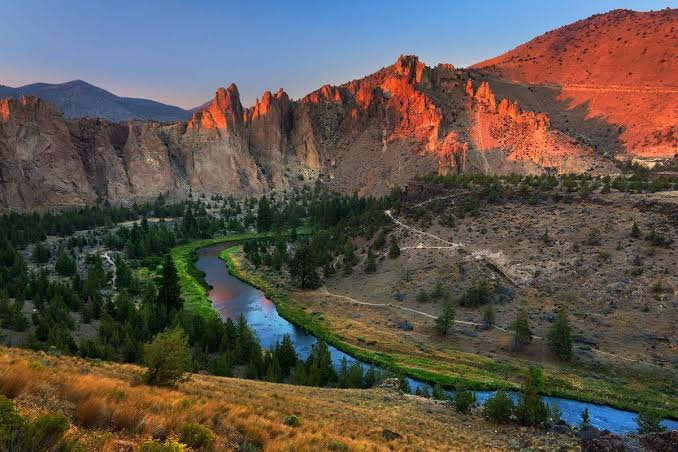
Smith Rock State Park Overview
| Detail | Information |
| Location | Near Terrebonne, OR, about 26 miles northeast of Bend, 8 miles northeast of Redmond |
| Park size | About 650 acres |
| Park hours | Dawn to dusk, daily, year-round |
| Day-use parking fee (2026) | $10 for Oregon residents; $12 for non-residents, per vehicle |
| Annual permit (2026) | $60 Oregon residents; $75 non-residents |
| Rock formation age | About 30 million years old |
| Cliff height | Rising 600+ feet above the Crooked River |
| Climbing routes | Over 1,800, ranging from 5.5 to 5.14d |
| Signature formation | Monkey Face, a 350-foot spire |
| Misery Ridge Trail | 2.2 miles round trip alone, or 3.5–3.7-mile loop with River Trail; ~800 ft elevation gain |
| Camping | Bivy Campground, first-come first-served, $12/person/night (OR resident); $15 (non-resident) |
| Annual visitors | Over 700,000 |
The 2026 Fee Changes Worth Knowing
Parking fees at Smith Rock shifted for 2026, now running $10 per vehicle for Oregon residents and $12 for non-residents, an increase from the flat $5 rate some visitors may remember from previous years. Fees are paid at self-service kiosks throughout the parking areas, and credit cards are accepted at all locations, so bring a card even if you’d normally plan on cash.
If you’re visiting Oregon’s state parks more than a handful of times a year, the annual permit, now $60 for residents and $75 for non-residents as of January 1, 2026, available at the Welcome Center or online, is worth running the numbers on. Given the jump in day-use rates, the annual pass pays for itself faster than it used to for frequent visitors.
Misery Ridge: Why the Name Is Earned
This is Smith Rock’s most popular hike, and the name isn’t just clever branding. The trail climbs through a genuinely steep series of switchbacks and stairs with about 800 feet of elevation gain, delivering some of the best panoramic views in the park, including close-up looks at Monkey Face, but demanding real physical effort to get there. Taken alone as an out-and-back, it runs 2.2 miles; combined with the River Trail as a loop, the total stretches to somewhere between 3.5 and 3.7 miles depending on the exact route variation you choose.
Family groups with young children should know that while the River Trail portion is manageable for most visitors, Misery Ridge itself involves steep grades and exposed sections that can be genuinely challenging for kids or anyone uncomfortable with heights. Sturdy hiking shoes with good traction matter here, particularly since sections can turn slippery after rain, and central Oregon’s high-desert microclimate means weather can shift quickly, especially in spring and fall.
Beating the Heat: Summer Timing
Summer temperatures at Smith Rock frequently exceed 90 to 100°F, and with little shade along most of the trail network, timing your hike matters as much as your gear does. Early morning hikes are genuinely the safest and most comfortable option during peak summer months, both for temperature and for avoiding the heaviest crowds on popular routes like Misery Ridge. Carry more water than you think you’ll need regardless of season, since the exposed rock terrain amplifies heat even on days that don’t feel extreme at the trailhead.
Climbing Culture: What Makes This Park Different
Even if you never plan to clip into a rope, understanding Smith Rock’s climbing significance adds real context to a visit. With more than 1,800 established routes ranging from beginner-friendly 5.5 climbs to elite 5.14d test pieces, this park functions as a genuine pilgrimage site for the American climbing community, not just a scenic backdrop. Monkey Face itself, the park’s signature 350-foot spire shaped distinctly like a primate’s skull, draws climbers attempting routes up its sheer face, and watching from below often becomes its own spectator activity for hikers passing through.
If you’re hiking during peak season, expect to share trails and viewpoints with climbers hauling gear to and from various crag areas throughout the park, part of the shared-use character that defines Smith Rock.
Dogs: A Rule That’s Become Strictly Enforced
Dogs are welcome throughout most of Smith Rock, including on the Misery Ridge Trail, but they must remain on a leash at all times, a rule that’s reportedly become much more strictly enforced in recent seasons compared to more relaxed past practices. If you’re bringing a dog along, particularly one accustomed to off-leash hiking elsewhere, know that rangers here aren’t giving warnings the way they may have in years past. There are also specific additional rules that apply to dogs belonging to climbers and slackliners actively working routes in the park, worth checking if your dog will be near active climbing areas.
Camping at the Bivy: What to Expect
For visitors wanting to stay overnight, particularly climbers planning multi-day trips, the Bivy Campground operates on a first-come, first-served basis, charging $12 per person per night for Oregon residents and $15 for non-residents. That fee covers not just your overnight stay but also the following day’s parking permit and access to shower facilities, a genuinely good value bundle if you’re planning consecutive days at the park. The fee station accepts credit cards only, so don’t plan on paying cash at check-in.
Frequently Asked Questions
Q1. Do I need a reservation to visit Smith Rock State Park?
No. Reservations and permits aren’t required for standard day-use visits, only for special events, weddings, or commercial filming and photography. Regular hikers, climbers, and sightseers can simply arrive, pay the parking fee at a self-service kiosk, and head out.
Q2. Is Misery Ridge appropriate for young children or casual hikers?
It’s genuinely strenuous, with steep switchbacks, stairs, and about 800 feet of elevation gain, plus exposed sections that can be challenging for kids or anyone uneasy with heights. The River Trail alone offers a much easier, family-friendly alternative if the full Misery Ridge loop feels like too much.
Q3. How much does parking actually cost in 2026?
Day-use parking runs $10 per vehicle for Oregon residents and $12 for non-residents, payable at self-service kiosks throughout the park’s parking areas. Annual passes are available for $60 (residents) or $75 (non-residents) if you’re planning multiple visits.
Q4. Can I bring my dog on the trails, and are the leash rules strictly enforced?
Yes, dogs are welcome on most trails including Misery Ridge, but leashes are mandatory, and enforcement has reportedly tightened considerably in recent seasons. Don’t assume a relaxed, off-leash approach will go unnoticed here.