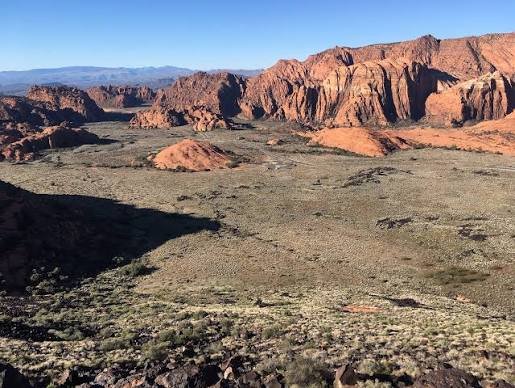
Despite the name, Snow Canyon rarely sees snow at all. It’s named after early Utah leaders Lorenzo and Erastus Snow, and this stretch of red Navajo sandstone and black lava rock near St. George is very much a desert park, with July and August temperatures frequently topping 105°F. What Snow Canyon does have is a strict off-trail hiking ban, seasonal closures tied to flash flood risk, and a handful of annual events, an Ironman triathlon and a half marathon, that shut down the park’s main road for a few hours each year. Understanding these rules matters more here than the scenery alone might suggest.
Here’s what to know about trail restrictions, camping, and seasonal hazards before your 2026 visit.
Snow Canyon State Park Overview
| Detail | Information |
| Location | 8 miles north of St. George, UT, on State Route 18 |
| Park hours | 6 a.m. to 10 p.m., year-round, no holiday closures |
| Day-use closing time | 10 p.m. (standard across all Utah State Parks) |
| Trail mileage | About 16–18 miles of hiking trails, plus an 18-mile paved loop |
| Trail policy | Designated trail park — off-trail hiking is not permitted |
| Camping | 14 RV sites with hookups; 17 multi-use campsites |
| Reservation window | 48 hours to 4 months in advance; within 48 hours is walk-up only |
| Summer temperatures | Frequently exceed 105°F in July and August |
| Flash flood season | July through September (“monsoon” season) |
Why This Is a “Designated Trail Park”
This is one of the more unusual rules at Snow Canyon, and it’s worth understanding before you set foot on any trail. Off-trail hiking isn’t just discouraged here, it’s prohibited entirely, since wandering off marked routes can collapse the burrows that desert wildlife depends on, trapping animals underground. Always confirm you’re on a legal trail using the park’s official map rather than assuming any visible path is sanctioned.
Scrambling on rock, a popular activity given the park’s sandstone formations, is restricted to specific designated areas: Galoot Hill, Petrified Dunes, and the Whiterocks area. If climbing or scrambling is part of your plan, stick to these three zones rather than assuming any interesting-looking rock formation is fair game.
Summer Heat: A Genuine Safety Concern
Snow Canyon’s ironic name belies just how hot this desert park gets. Daytime temperatures in July and August routinely exceed 105°F, and the park’s own safety guidance recommends avoiding hiking between 11 a.m. and 6 p.m. when temperatures climb above 95°F. Each person in your group should carry and drink a minimum of one liter of water per hour, a genuinely serious guideline given how quickly dehydration can set in in this kind of heat.
Cell phone service throughout the park is unreliable, so if you become lost or injured, the recommended approach is to stay in one location and wait for help rather than wandering further trying to find a signal. Hiking with a companion, or at minimum telling someone your planned route and timeline, is a real safety measure here rather than an overly cautious suggestion.
Flash Flood Season: July Through September
Utah’s summer “monsoon” season brings a genuine flash flood risk to Snow Canyon, typically running July through September, with the potential for sudden, heavy afternoon rains that can turn dry washes into dangerous flowing water within minutes. Stay current on seasonal flash flood warnings before and during your visit, particularly if your hike takes you through any of the park’s canyon or wash areas where water can channel quickly and unpredictably.
Trail Closures and Annual Events That Shut Down the Road
Beyond weather-related risks, a couple of recurring situations are worth checking before you plan a specific visit date. The Johnson Canyon trail maintains a seasonal closure except during ranger-guided hikes, so check the park’s event calendar if you specifically want to experience this trail, since standard solo access isn’t available during the closure period.
Separately, Snow Canyon hosts annual events that temporarily close the main road and popular paved trail. The Ironman 70.3 St. George cycling portion has closed Snow Canyon Drive and the paved Whiptail Trail for several hours on a Saturday in May in recent years, drawing thousands of athletes and requiring the park to close to general visitors during that window. A separate half marathon and 10K event has similarly closed Snow Canyon Drive and the Whiptail Trail for several hours on a Saturday in November. If your visit might overlap with either of these annual events, check the park’s current alerts well ahead of your trip, since these closures affect the park’s main access road, not just a peripheral trail.
Camping: Booking Windows and the Pet Restriction
Snow Canyon’s campground offers 14 RV sites with water and electrical hookups alongside 17 multi-use campsites, set against the park’s signature backdrop of red and white sandstone cliffs and black lava rock. Reservations can be made anywhere from 48 hours up to four months in advance online; if you’re booking within that 48-hour window, your only option is a walk-up reservation rather than an online booking.
One detail worth knowing if you’re camping with a pet: dogs are only permitted at the campground specifically along West Canyon Road and the Whiptail Trail area, a more limited scope than the general trail-wide leash policy that applies to day hiking elsewhere in the park. Confirm current pet policy for your specific camping area before arrival if traveling with a dog.
What Makes the Landscape Itself Worth the Trip
Snow Canyon’s defining geological feature is its Navajo sandstone, formed from wind-transported quartzite sand deposited more than 183 million years ago into dunes up to 2,500 feet thick before eventually cementing into stone. The burnt orange to creamy white rock, capped in places by black lava rock from more recent volcanic activity, creates a genuinely striking visual contrast that draws photographers, hikers, and road cyclists alike, particularly along the popular 18-mile paved loop shared with joggers, rollerbladers, and other cyclists.
For a different kind of exploration, the park’s lava tubes offer a glimpse into ancient volcanic activity, with some tubes easily accessible on foot and others requiring genuine scrambling to explore fully.
Frequently Asked Questions
Q1. Can I hike off-trail to explore interesting rock formations I see along the way?
No. Snow Canyon is a designated trail park, meaning off-trail hiking is prohibited entirely to protect wildlife burrows and habitat. Stick to marked, official trails using the park’s current map, and confine any scrambling to the three designated areas: Galoot Hill, Petrified Dunes, and Whiterocks.
Q2. What time of day should I avoid hiking during summer?
Avoid hiking between 11 a.m. and 6 p.m. when temperatures exceed 95°F, which happens routinely during July and August. Early morning or evening hikes are considerably safer given how extreme daytime desert heat becomes here.
Q3. Will an annual event like the Ironman or half marathon affect my planned visit?
Possibly, if your dates overlap. These annual events have historically closed Snow Canyon Drive and the paved Whiptail Trail for several hours on specific Saturdays in May and November. Check the park’s current alerts before finalizing your trip dates.
Q4. Can I bring my dog camping anywhere in the campground?
Pets at the campground are restricted specifically to the area along West Canyon Road and the Whiptail Trail, a narrower allowance than the general day-use trail policy. Confirm current pet rules for your specific camping area before booking if traveling with a dog.