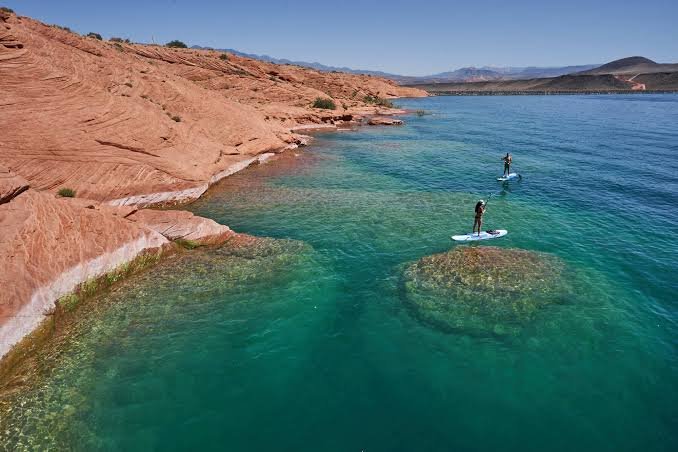
Warm turquoise water lapping against red sandstone, with 15,000 acres of rideable sand dunes just a tunnel-crossing away. Sand Hollow State Park, one of Utah’s newest and now busiest parks, pulls off a combination few destinations manage: a genuine warm-water reservoir for swimming, wakeboarding, and paddling, connected directly to one of the Southwest’s premier OHV playgrounds. Add in day-use fees that jumped for 2026 and a strict boat decontamination requirement, and there’s real value in knowing the current details before you make the drive from St. George.
Here’s what to expect for fees, water temperatures, and OHV access on a 2026 visit.
Sand Hollow State Park Overview
| Detail | Information |
| Location | 3351 Sand Hollow Road, Hurricane, UT 84737 |
| Distance from Salt Lake City / Zion | About 297 miles / 45 minutes to Zion |
| Reservoir size | 1,322 acres |
| Park hours (April–September) | 6 a.m. to 10 p.m. |
| Park hours (October–March) | 7 a.m. to 9 p.m. |
| Day-use fee (2026) | $25 per vehicle |
| Annual Utah State Parks pass | $125, pays off after about five visits |
| OHV area | Sand Mountain, 15,000 acres of dunes, accessed via tunnel under SR-7 |
| Camping | Westside (50 full-hookup, ~$50/night); Sandpit (dry/partial/group, $30–$100/night) |
| Water temperature (June–September) | 75–86°F |
| Boat requirement | Mandatory decontamination inspection to prevent invasive species |
The 2026 Fee Increase Worth Knowing About
Day-use admission at Sand Hollow rose to $25 per vehicle for 2026, an increase from the tiered $15/$20 weekday/weekend structure of previous years. If you visited before and remember a lower rate, budget for the updated price, and verify current numbers at stateparks.utah.gov before you drive out, since park fees across Utah’s system have been shifting recently. Camping fees remain separate from day-use admission but include park entry for the duration of your stay, so campers don’t pay the day-use fee on top of their site cost.
For frequent visitors, the $125 annual Utah State Parks pass covers entry across the entire state system, and it pays for itself after roughly five visits to Sand Hollow alone, a genuinely good value if this park or others in Utah are regular destinations for you.
Why Boat Decontamination Isn’t Optional
Sand Hollow Reservoir remains free of invasive mussels, and the park takes real measures to keep it that way. Every boat entering the water is subject to inspection, and decontamination services are offered daily to ensure boats and gear haven’t picked up aquatic invasive species elsewhere. If you’re bringing your own watercraft, plan extra time for this inspection process rather than assuming you can launch immediately upon arrival, particularly during busy summer weekends when inspection lines can add real waiting time to your morning.
Water Temperature and the Swimming Season
Unlike many Western reservoirs that stay uncomfortably cold, Sand Hollow’s water genuinely warms up, running between 75 and 86°F from June through September, making it one of the more swimmable reservoirs in the region during peak summer. May and October sit in a borderline zone, potentially comfortable depending on the specific week, while November through April the water turns too cold for casual swimming regardless of air temperature.
If a warm-water swim is central to your trip, plan for the June-through-September window specifically, and expect the reservoir to be genuinely busy during that same stretch, since warm water and desert heat combine to draw heavy crowds on summer weekends.
Sand Mountain: What OHV Riders Need to Know
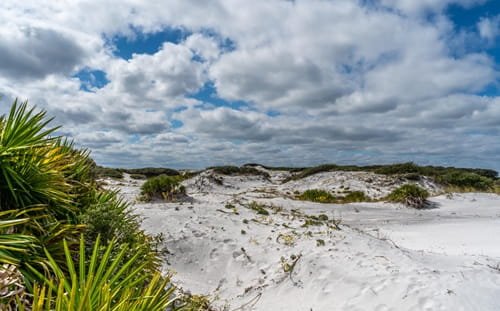
The park’s other major draw sits across a dedicated tunnel beneath SR-7, connecting directly to Sand Mountain’s 15,000 acres of dunes, some sources cite even more acreage across the broader technical trail network. This area offers everything from open, beginner-friendly dune riding to more technical trails for experienced riders, and on-site rentals are available if you don’t own your own ATV or OHV, alongside additional rental shops in nearby Hurricane.
One detail worth knowing: OHVs aren’t permitted on the westside beaches, the boat parking lot, or within the Westside Campground itself. If you’re camping specifically to access the dunes directly from your site, the Sandpit Campground is designed for exactly that purpose, allowing OHVs to drive in and out, unlike the more standard Westside option.
Choosing Your Campground: Westside vs. Sandpit
Sand Hollow offers two genuinely different camping experiences depending on what you’re prioritizing. Westside Campground provides 50 full-hookup sites with water, sewer, and electricity at each site, running around $50 a night, and suits visitors focused primarily on the reservoir and water activities. Sandpit Campground, along the south shore, caters specifically to OHV riders, offering dry camping, partial hookups, and group sites ranging from roughly $30 to $100 a night, with direct dune access built into its design.
Reservations run on a rolling four-month window through Utah’s reservation system, and summer weekend slots at both campgrounds tend to book solid the day they become available. If a specific summer date matters to your trip, mark your calendar for exactly when that four-month window opens and be ready to book immediately.
Fishing Rules Worth Knowing Before You Cast
Sand Hollow supports bass, bluegill, crappie, and catfish, and anglers should know the current limits before heading out: bluegill are capped at 50 per day, while bass are limited to 6 per day with at least one required to be over 12 inches. A valid Utah fishing license is required regardless of these limits, and checking current regulations before your trip is worth doing since specific limits can shift from year to year based on fishery management decisions.
Frequently Asked Questions
Q1. How much does it cost to enter Sand Hollow State Park in 2026?
Day-use admission runs $25 per vehicle as of 2026, an increase from previous tiered pricing. Camping fees are separate but include park entry for your stay, so campers don’t pay both charges.
Q2. Do I need to get my boat inspected before launching?
Yes. All boats are subject to inspection, and daily decontamination services are available to prevent the spread of aquatic invasive species. Plan extra time for this process, especially on busy summer weekends.
Q3. Can I drive my OHV directly from my campsite to the dunes?
Only at Sandpit Campground, which is specifically designed for OHV access to Sand Mountain. Westside Campground doesn’t permit OHVs within its grounds, so if direct dune access from your site matters, book Sandpit instead.
Q4. When is the water actually warm enough to swim comfortably?
June through September offers the most reliable warm water, running 75 to 86°F. May and October are borderline depending on the specific week, and November through April the reservoir is too cold for casual swimming regardless of air temperature that day.