California operates the largest and most diverse state park system in the country, more than 280 units spanning redwood forests, desert wildflower fields, historic missions, and nearly 300 miles of coastline. It’s a genuinely different system from the national parks most travelers plan around, with its own fee structure, its own set of passes, and its own quirks that catch first-time visitors off guard. For 2026 specifically, several changes are worth knowing before you go: new free-access programs, a handful of new parks, and shifting rules around fee-free days.
Here’s the practical rundown: what the system actually costs, which passes make sense for your trip, the numbers behind California’s park network, and what’s changed heading into 2026.
California State Parks Overview
| Category | Details |
| Total units | Over 280 state parks, beaches, and historic sites |
| Standard day-use fee | Typically $10–$20 per vehicle, varies by park |
| Hikers/cyclists entering on foot or bike | Free at all units |
| California Explorer Annual Pass | $195 (covers most parks including SoCal beaches) |
| Golden Poppy Annual Pass | $125 (covers 112 parks, reservoirs, and NorCal beaches) |
| Historian Passport | $50 (four people, 30+ state historic parks); free through Dec. 31, 2026 for a limited promotion |
| California State Library Parks Pass | Free (checked out from participating libraries; 33,000 passes available) |
| Golden Bear Pass | Free (for CalWORKs, SSI, low-income seniors 62+, Tribal TANF recipients) |
| Distinguished Veterans Pass | Free (honorably discharged CA resident veterans) |
| New Central Valley parks (2026) | Three new parks added |
What It Actually Costs to Visit a California State Park
Unlike the national park system’s fairly standardized entrance fees, California state parks charge individually, typically somewhere between $10 and $20 per vehicle depending on the specific park, its popularity, and its amenities. Entering on foot or by bicycle is free at every unit in the system, no exceptions, which is worth knowing if you’re staying just outside a park and want to walk or bike in rather than pay the vehicle fee.
For frequent visitors, the annual pass options can save real money. The California Explorer Pass, at $195, covers the broadest range of parks, including popular Southern California beaches that many other passes exclude. The Golden Poppy Pass, at $125, is cheaper but doesn’t include those Southern California beach units, covering instead 112 parks along with most reservoirs and Northern California coastline. If you mainly plan to visit historic sites like California missions or Gold Rush-era locations, the $50 Historian Passport covers up to four people at more than 30 state historic parks that otherwise charge per-person admission rather than a vehicle fee.
Free and Discounted Access Programs Worth Knowing About
California has built out a genuinely unusual number of free-access programs compared to most other state systems, several of which expanded further heading into 2026. The California State Library Parks Pass lets anyone with a public library card check out a free vehicle day-use pass covering more than 200 participating parks, saving the standard $10 to $20 fee entirely. What started as a 2021 pilot with 5,000 passes has grown to 33,000 passes available across more than 1,100 libraries, and the 2026-27 state budget made the program’s $6.75 million annual funding permanent rather than subject to yearly budget uncertainty.
The Golden Bear Pass provides free vehicle entry to families receiving CalWORKs, individuals on Supplemental Security Income, income-eligible seniors 62 and older, and participants in California’s Tribal TANF program. Fourth graders and their families get free entry to 54 select parks through the 4th Grade Adventure Pass, and honorably discharged California resident veterans qualify for a free Distinguished Veterans Pass covering day use, camping, and boat fees at more than 100 parks.
For 2026 specifically, the state offered a temporary free digital Historian Passport, normally $50, valid from Juneteenth through December 31, 2026, at more than 30 state historic parks, funded through donations from the California State Parks Foundation and the California State Railroad Museum Foundation. More than 200 state parks also offered free entry on Martin Luther King Jr. Day in January 2026 under a governor’s directive.
What’s New in the System for 2026
Three new parks were added to the system in the Central Valley region during 2026, expanding access in a part of the state that has historically had fewer state park units relative to its population compared to the coast or Sierra Nevada foothills. The system has also leaned further into interpretive programming addressing more complete regional and cultural history at various sites, part of an ongoing effort some parks describe as “Reexamining Our Past.”
One detail worth flagging for planning purposes: fee-free day policy has shifted somewhat differently at the state versus federal level heading into 2026. California expanded free admission at its state parks for specific occasions like Martin Luther King Jr. Day, while federal policy for National Park Service fee-free days changed to apply only to U.S. citizens and residents starting in 2026. If you’re combining a trip that includes both state and national parks, don’t assume the same fee-free dates or eligibility rules apply across both systems, since they’re managed entirely separately.
Facts That Capture the Scale of California’s State Park System
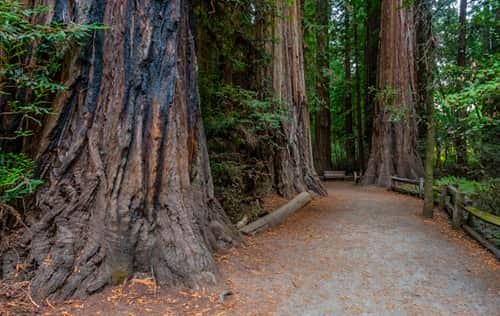
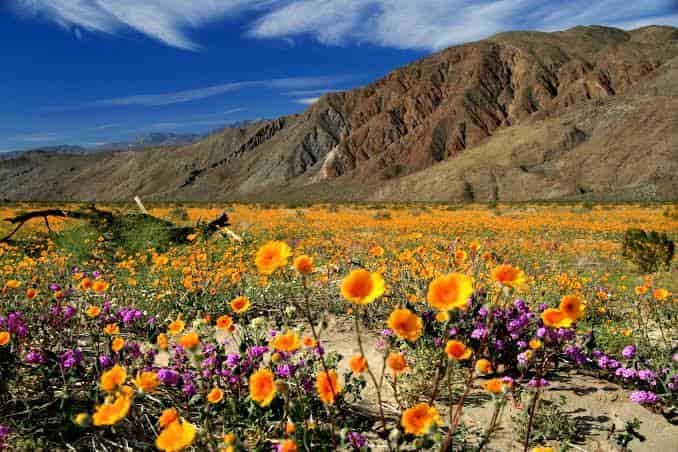
California’s state park system is the largest in the country, encompassing everything from Anza-Borrego Desert State Park, the largest state park in the contiguous U.S. at nearly 640,000 acres, to small historic sites covering just a few acres in downtown urban settings. The system includes significant stretches of protected coastline, old-growth redwood groves managed alongside the federal Redwood National Park, desert wilderness, and numerous California missions and Gold Rush-era towns preserved as historic parks.
Unlike the National Park Service’s roughly 20 fee-free days a year, California’s system relies more heavily on its various pass programs to provide broad, ongoing free access rather than concentrating free entry into a handful of specific calendar dates, a structural difference that reflects the state system’s emphasis on year-round affordability for residents.
Frequently Asked Questions
Q1. Do I need to pay if I’m just hiking or biking into a state park, not driving?
No. California state parks never charge a fee for anyone entering on foot or by bicycle, regardless of which specific park you’re visiting. The fee applies only to vehicles.
Q2. Which annual pass should I buy if I mainly want to visit Southern California beaches?
The California Explorer Pass at $195 is the one to get, since the cheaper $125 Golden Poppy Pass specifically excludes the popular Southern California beach units. Check the current pass terms before buying, since exact park lists can change.
Q3. Can I use a national park pass like America the Beautiful at California state parks?
No, they’re entirely separate systems with separate fee structures and passes. An America the Beautiful Pass only covers federal National Park Service sites, national forests, and similar federal lands, not California’s state-run parks.
Q4. How do I find out if my local library offers the free State Parks pass, and how long can I keep it?
Check with your local public library directly, since not all branches participate and available pass quantities vary; check-out periods and renewal rules also differ by library system. With 33,000 passes now available statewide, availability has improved, but popular library branches can still run out during peak weekends.