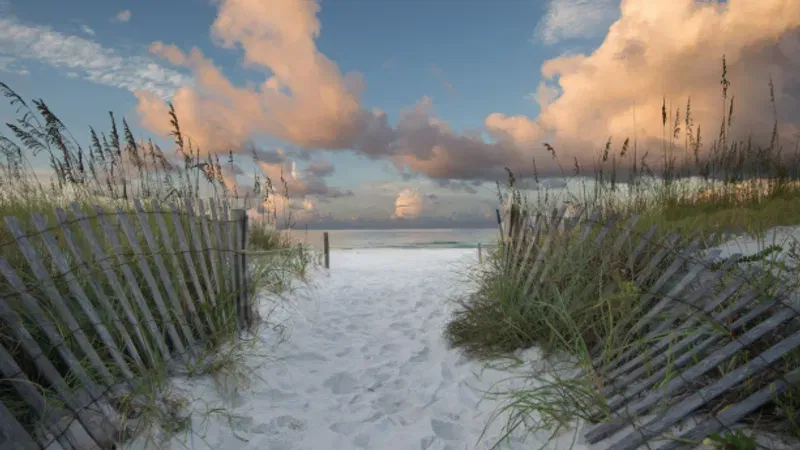
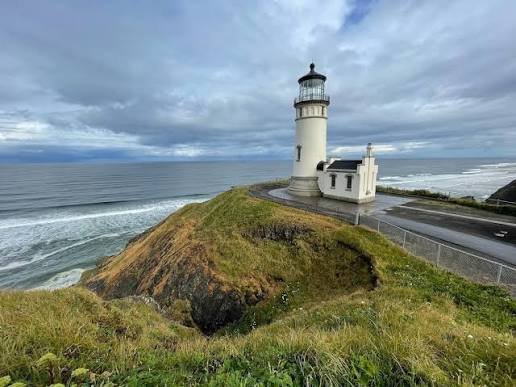
At the very tip of the Delaware coast, where the Delaware Bay collides head-on with the Atlantic Ocean, sits a 5,000-acre park with a history stretching back to William Penn himself. Cape Henlopen isn’t just Delaware’s most popular state park; it holds one of the oldest public land designations in the country, dating to 1682, decades before the United States existed. Add in a WWII coastal defense fort with underground bunkers and a working fire control tower, and you get a park that mixes beach vacation with genuine history in a way few coastal parks manage.
Here’s what to know before planning a 2026 visit: what it costs, the numbers behind its dual bay-and-ocean setting, and the military history hiding beneath its sand dunes.
Cape Henlopen State Park Overview
| Category | Details |
| Location | Sussex County, Delaware, near Lewes |
| Total area | About 5,000–5,193 acres |
| Fee season | March 1 – November 30 (free December through February) |
| Daily fee, Delaware plates | $10 (beach/ocean park rate) |
| Daily fee, out-of-state plates | $20 |
| 2026 annual pass | $50 (resident) / $100 (non-resident) |
| Discounts | 50% off for seniors and military |
| Fort Miles tour add-on | About $6.50 per person |
| Fishing pier access | Open 24 hours a day, year-round |
| First public land designation | 1682, by William Penn |
| Became a state park | 1964 |
Where Cape Henlopen State Park Is Located
Cape Henlopen sits at the northern tip of Delaware’s Atlantic coastline, right where Delaware Bay meets the open ocean, just outside the historic town of Lewes in Sussex County. It’s roughly two hours from both Philadelphia and Washington, D.C., and about 30 minutes from the more built-up beach town of Rehoboth Beach, making it accessible for a day trip or weekend getaway from much of the mid-Atlantic.
The park sits just 10 minutes from Delaware Seashore State Park, and many visitors combine the two into a single coastal trip. Lewes itself, a nearly 400-year-old town with a historic downtown and known locally as part of the “Culinary Coast,” makes a natural base for lodging and dining alongside a Cape Henlopen visit.
What It Costs to Visit in 2026
Delaware’s state park system charges seasonal entrance fees, running March 1 through November 30 each year; the park is completely free to enter from December through February. During the fee season, Cape Henlopen falls under Delaware’s “ocean park” pricing tier, along with Delaware Seashore and Fenwick Island, which charges more than the state’s inland parks. Delaware-registered vehicles pay $10 per day, while out-of-state vehicles pay $20, roughly double, a detail that occasionally frustrates out-of-state visitors but reflects how Delaware funds its park system primarily through tourism-driven beach access fees.
For 2026, Delaware’s annual pass costs $50 for residents and $100 for non-residents, with seniors and military members eligible for a 50% discount. Given the daily rate, an annual pass generally pays for itself after about five visits to a beach park like Cape Henlopen, making it a solid option for anyone planning multiple trips over the season. Beyond the basic entrance fee, the Fort Miles Historical Area’s guided “behind the velvet ropes” tour costs an additional $6.50 per person and must be booked online up to 24 hours in advance; self-guided access to the museum and grounds is included with standard park admission.
Facts That Make Cape Henlopen Unique
Cape Henlopen holds a genuinely rare historical distinction: William Penn designated its beaches and resources as public land in 1682, making it one of the very first public land protections anywhere in what would become the United States, more than a century before Yellowstone or any national park concept existed. That designation persisted informally through Delaware’s colonial and early statehood periods before the site formally became a state park in 1964.
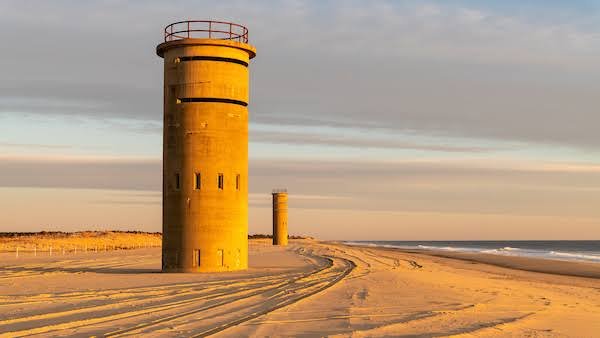
The park’s dual coastline is a defining feature: visitors can swim in ocean surf on one side and spot horseshoe crabs, both living ones in the water and remains on the sand, along the calmer bay side within the same short walk. Observation Tower 7, a restored WWII concrete fire control tower, offers free 360-degree panoramic views of both the bay and ocean and remains one of eleven such towers built across Cape Henlopen, Delaware Seashore, and Fenwick Island during the war. The Beach Plum Nature Preserve within the park protects the only publicly owned wild beach in Delaware featuring dune and marsh habitat, with most of it off-limits to public access specifically to protect nesting shorebirds and horseshoe crab populations each spring.
The Military History Beneath the Dunes
Cape Henlopen’s location at the mouth of Delaware Bay made it strategically valuable through practically every major American conflict, including the Revolutionary War, the War of 1812, the Civil War, and both World Wars. A lighthouse built between 1767 and 1769, one of the earliest on the Atlantic coast, stood at the cape for over 150 years before storm damage disabled it in 1924; the structure eventually collapsed into the ocean in 1926, a casualty of the same shifting sands that continue to reshape the cape today.
The site’s most significant military chapter began in 1938, when the “Cape Henlopen Lighthouse Reservation” was transferred to the War Department, renamed Fort Miles in 1941, and built out at a cost of roughly $22 million as a heavily fortified, deliberately secretive coastal defense installation. Fort Miles protected the entrance to Delaware Bay and the vital ports of Wilmington and Philadelphia from potential Axis submarine and naval activity, hiding massive artillery batteries and underground bunkers within the dunes themselves rather than in obvious above-ground fortifications. After the war, the fort served as an Army training base and later a Navy facility before transitioning to recreational use and finally transferring to the State of Delaware, becoming part of Cape Henlopen State Park in 1964. Today, the Fort Miles Museum operates inside Battery 519, one of the original underground bunkers, displaying artifacts including a working Enigma machine alongside restored artillery positioned exactly where it stood during the war.
Frequently Asked Questions
Q1. Why does Cape Henlopen cost more than Delaware’s inland state parks?
Delaware classifies it as one of three “ocean parks,” along with Delaware Seashore and Fenwick Island, which charge a higher daily rate than inland parks specifically because of their beach access and higher visitor demand during peak season.
Q2. Is it worth paying the extra Fort Miles tour fee, or is the self-guided visit enough?
The self-guided museum visit, included with regular park admission, covers the main exhibits and underground bunker access. The paid guided tour adds deeper context about Battery 519’s construction, personnel, and wartime operations, worthwhile for visitors with a genuine interest in WWII history rather than a casual stop.
Q3. Can I visit for free if I come outside the March through November fee season?
Yes, Cape Henlopen is completely free to enter from December through February. This is a good option for visitors comfortable with colder weather who mainly want to see the observation tower, hike, or visit the nature center without paying an entrance fee.
Q4. Is the annual pass worth it if I’m only visiting Delaware beaches, not inland parks?
Yes, generally. Given the $10 daily rate for Delaware-plated vehicles, the $50 resident annual pass pays for itself after about five visits, making it a good value for anyone planning multiple beach trips to Cape Henlopen or nearby Delaware Seashore within the same season.