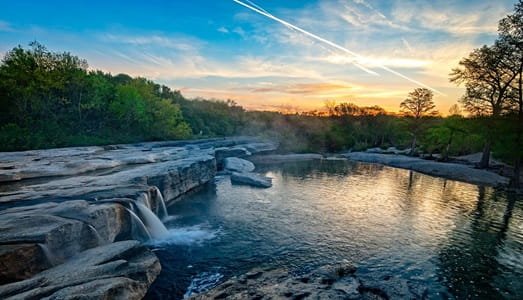
Ninety minutes from Chicago, sandstone canyons carved by glacial meltwater create a landscape that looks more like the American Southwest than central Illinois — which is exactly why over two million visitors show up here every year. Starved Rock’s 18 canyons and seasonal waterfalls have made it the state’s most popular outdoor destination since 1911. But a major trail improvement project is affecting real chunks of the park through the first half of 2026, including one of its most photographed canyons, so knowing what’s actually open matters before you drive out.
Here’s the current construction status and everything else worth planning around for a 2026 visit.

Starved Rock State Park Overview
| Detail | Information |
| Location | 2678 East 873 Road, Oglesby, IL 61348 |
| Park size | 2,630 acres, 18 canyons |
| Admission | Free (Illinois state parks charge no entrance fee) |
| Trail hours | 7 a.m. to sunset daily |
| Visitor Center hours | 9 a.m. to 4 p.m. daily; closed federal holidays November–March |
| Campground gates | 8:30 a.m. to 10 p.m. |
| Trail mileage | Over 13 miles |
| Accessible waterfalls | 8 total: French, Wildcat, LaSalle, Ottawa, Kaskaskia, Illinois, St. Louis, Aurora |
| Tallest waterfall | Wildcat Canyon, dropping over 100 feet |
| 2026 construction closures | French Canyon, Brown Bluff Trail, Campanula Trail, Tonti Canyon/Bridge, west side trail (LaSalle to Tonti) — through June 2026 |
| Swimming/wading | Prohibited throughout the park; fines start at $195 per person |
The 2026 Trail Closures You Need to Know
This is the single biggest factor shaping a Starved Rock visit right now. A major trail improvement project has closed several sections of the park through June 2026, and the list includes some genuinely popular spots. French Canyon access from the Visitor Center and Lodge parking lot is closed, along with the Brown Bluff Trail directly above it and the Campanula Trail connecting the French and Wildcat Canyon bluffs. Tonti Canyon and Tonti Bridge remain closed as well, along with the west side trail connecting LaSalle Canyon to Tonti Canyon.
Given that French Canyon is one of the park’s most visited spots, this closure genuinely changes what a typical day looks like here for the first half of 2026. The good news: the west side of the park, including St. Louis Canyon, remains fully accessible via its own separate parking lot off Route 178, directly across from Grand Bear Lodge, so a full day of canyon hiking is still very much possible — just routed differently than usual. Checking the Illinois DNR website for current trail status before you leave is worth doing, since construction timelines can shift.
Why Waterfalls Are Seasonal, Not Guaranteed
If seeing the park’s waterfalls is your main goal, timing matters more than most visitors expect. These are seasonal features, flowing most reliably in spring and after heavy rain, and they typically dry out completely from July through early October. A summer visit still delivers excellent hiking and canyon scenery, but arriving expecting flowing waterfalls in August is a common source of disappointment. If waterfalls specifically are the priority, plan around spring or shortly after a significant rain event rather than peak summer.
Winter brings its own version of the spectacle: frozen falls at Wildcat Canyon and elsewhere draw ice climbers who scale the ice formations, a genuinely striking sight even for visitors who aren’t climbing themselves.
Why Swimming Is Off-Limits Everywhere
Unlike some parks where water access varies by area, Starved Rock prohibits wading and swimming throughout the entire park, including in the canyons and at the base of waterfalls. This isn’t a soft suggestion — fines start at $195 per person, and rangers do enforce it. The canyons can be genuinely dangerous when wet, with slippery rock surfaces and unpredictable currents after rain, so this rule exists for real safety reasons rather than arbitrary restriction. If you’re visiting with kids who want to splash around, plan on the indoor pool at Starved Rock Lodge (available to registered guests) rather than the canyons themselves.
Parking Strategy for Peak Season
Parking throughout Starved Rock is free but genuinely limited, and lots fill quickly during peak spring and fall foliage weekends. Arriving before 9 a.m. gives you meaningfully better odds of a close spot near your intended trailhead, especially since park staff typically don’t reopen closed lots until around 3 p.m. when earlier visitors start heading out for the day. Following the park’s official social media accounts for real-time closure and capacity updates during busy season can save you a wasted trip if a specific lot fills before you arrive.
Frequently Asked Questions
Q1. Can I still visit French Canyon in 2026, or is it completely inaccessible?
As of now, French Canyon access from the Visitor Center and Lodge parking lot is closed due to construction, expected through June 2026. Check the Illinois DNR website close to your visit date, since this timeline could shift, and consider building your itinerary around the still-accessible west side canyons instead.
Q2. Why didn’t I see any waterfalls when I visited in summer?
Starved Rock’s waterfalls are seasonal, flowing most reliably in spring and after significant rainfall, and they typically dry out from July through early October. A summer visit still offers strong hiking and canyon views, but don’t expect flowing water during the driest months.
Q3. Are dogs allowed on the trails at Starved Rock?
Yes, leashed dogs are welcome on most trails throughout the park, though they’re not permitted inside the Visitor Center, Lodge, or other park buildings. Individual areas may post stricter rules, so check signage at specific trailheads.
Q4. Is there a fee to hike at Starved Rock, or only for camping and the lodge?
Entrance to the park itself is completely free, including all hiking trails and parking. Fees only apply to overnight stays at the campground or lodge, along with any guided tours or special events the park may offer.